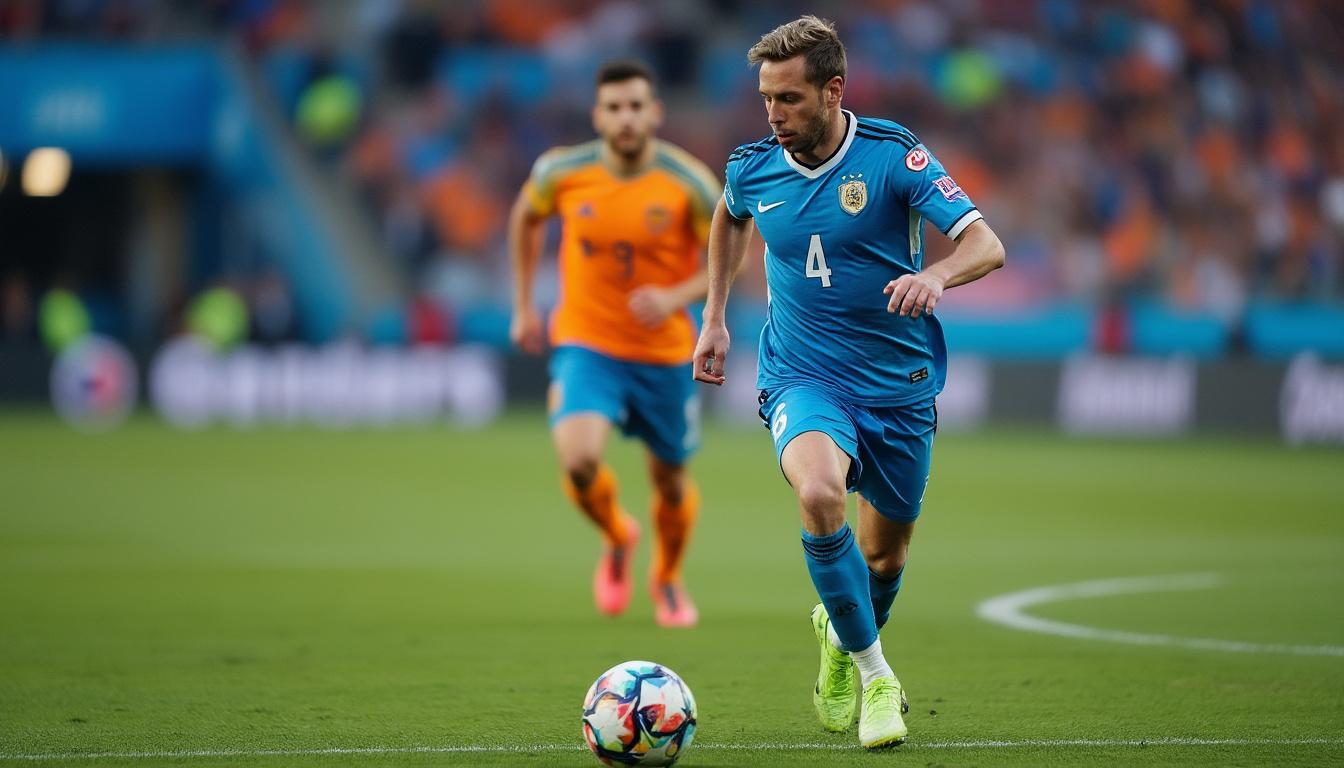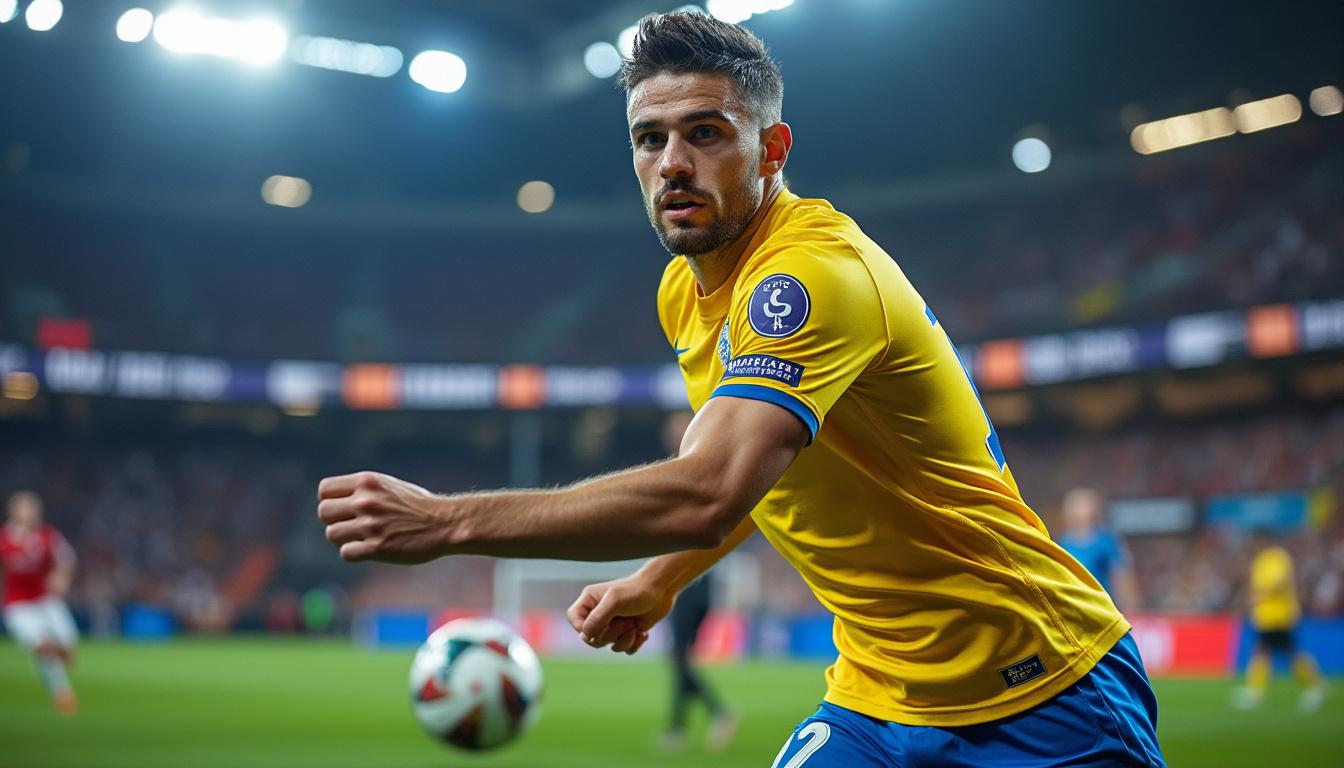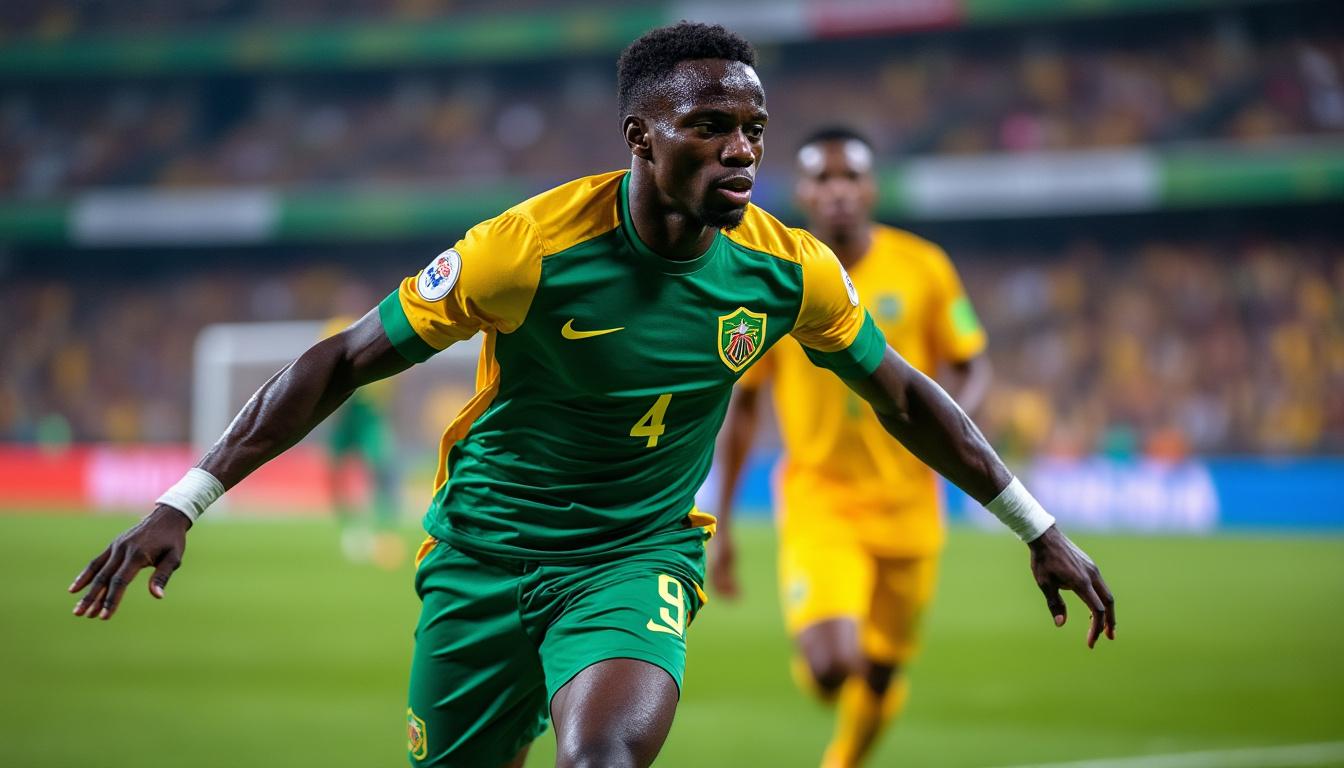
The countdown to Africa’s premier football event, the Africa Cup of Nations (AFCON) 2025, staged in Morocco, is intensifying as teams gear up to seize glory. This tournament blends decades of rich footballing heritage with dynamic tactical styles that reflect both continental pride and global influences. The venue’s electric atmosphere, boosted by Morocco’s memorable 2022 World Cup performance, sets the stage for an AFCON where tradition meets innovation. Fans eagerly anticipate a showcase of electrifying matches where titans of African football and determined challengers clash on the pitch, fueled by fervent support and strategic masterstrokes.
As the 24 qualified nations prepare, emerging trends in team performance, tactical setups, and player form suggest a tournament where no favorite can be overlooked. Morocco’s home advantage, Senegal’s reigning champion status, and Egypt’s evolving style under new coach link together with powerful narratives of resilience and ambition. This is a contest shaped not only by past achievements but fresh data trends and tactical evolutions that guide professional analyses and spark passionate debates among supporters and experts alike, providing a vivid canvas where football’s drama will unfold in Morocco’s sprawling cities.
In brief, key factors shaping AFCON 2025 include Morocco’s commanding home presence, Senegal’s tactical balance, and a tournament-wide tactical evolution emphasizing pressing, rapid transitions, and defensive solidity. Dark horses such as Mali and Cape Verde add unpredictability, promising intense group stage battles. Players’ current form, squad depth, and match-day strategies hold great sway, while statistical indicators like goals per game, set-piece effectiveness, and goalkeeper performance project possible trajectories in this championship of African football excellence.
AFCON 2025 Historical Favorites and Their Enduring Legacy in Championship Contention
The Africa Cup of Nations has long been a stage where football heritage and legacy intertwine with current ambitions. Teams like Egypt, Senegal, Morocco, and Côte d’Ivoire are not just names but symbols of African football’s rich tapestry. Egypt, holding a record-breaking seven AFCON titles, carries expectations that are as massive as their history. This North African powerhouse’s dominance stretches back generations, marked especially by their rare streak of three consecutive titles. While their recent performances suggest a tactical reinvention under fresh managerial guidance, Egyptian football maintains an aura of reverence and pressure to reclaim continental supremacy.
Senegal, the reigning champions, embody a new generation of African footballers forged in Europe’s elite leagues. Their strength lies in a seamless fusion of youthful vigor and seasoned composure, a balance that has powered their rise in global rankings and their dominance in recent CAF competitions. This blend of athleticism and tactical acumen, bolstered by players experienced in rigorous top-flight European competitions, underpins their status as prime contenders. Their 2025 squad reflects not only individual brilliance but also a cohesion matured through extensive international competition.
Morocco’s narrative is colored by their 2022 World Cup semi-final appearance – a historic high that injected fresh hope and pressure ahead of their hosting duties. Despite holding only one AFCON title won in 1976, their recent form and home-field advantage make them a formidable opponent. Hosting brings with it greater expectations but also logistical benefits like minimal travel and the fiery backing of passionate local fans, a blend that has historically propelled AFCON hosts deep into the tournament.
Côte d’Ivoire, historically a formidable presence with multiple AFCON trophies, oscillates between brilliance and inconsistency. Their capacity to blend natural flair and physical force poses a constant threat to opponents. The Elephants’ performance largely depends on managing injuries and navigating challenging group dynamics. They represent the archetype of a “dangerous dark horse,” capable of springing surprises and upsetting more favored teams.
These teams’ historical stature forms a foundational backdrop for AFCON 2025, where past glories add both inspiration and expectation. The balance between tradition and current form will be critical, as fans and analysts look to see whether legacy or fresh tactical innovations dictate the chariot to the trophy.
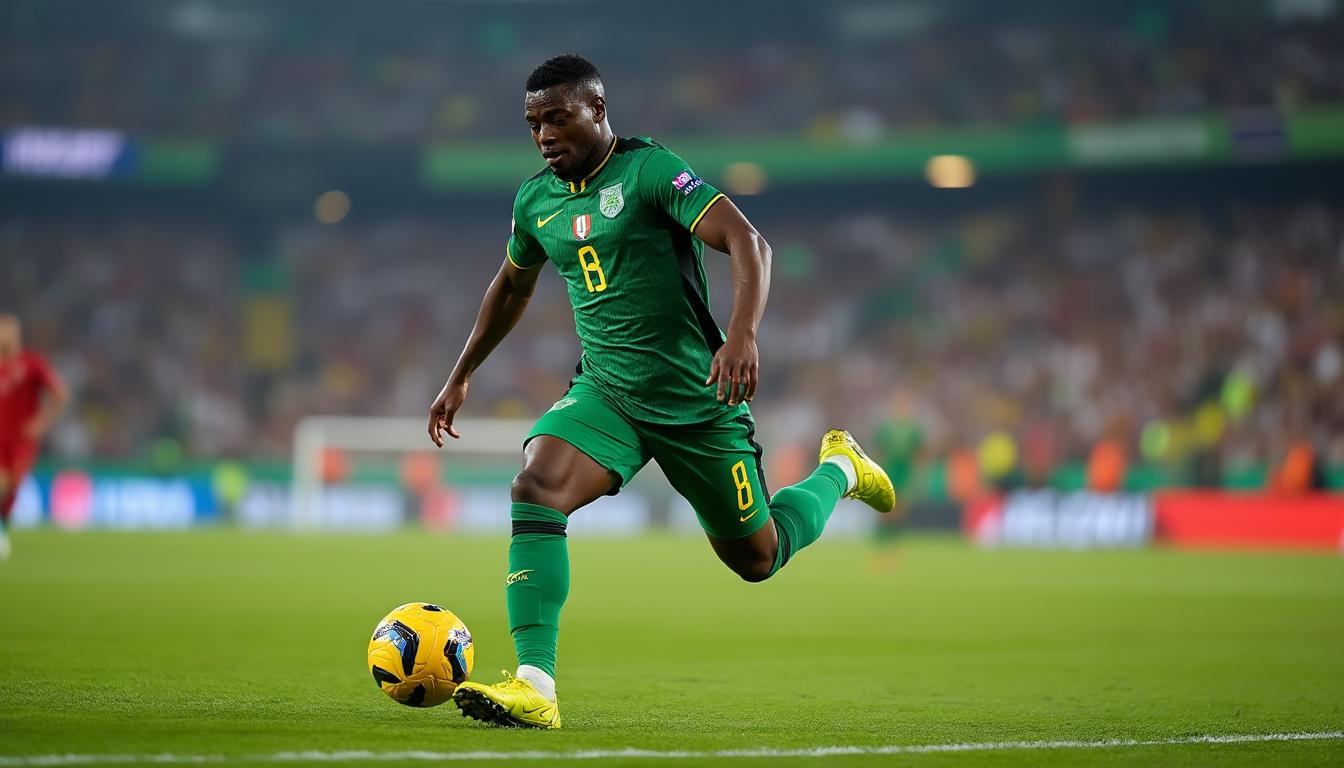
Current Tactical Trends Driving Team Performance at AFCON 2025
The unfolding AFCON 2025 competition is witnessing a tactical landscape shaped by innovative trends and evolving squad dynamics. Across Africa, football teams are melding traditional flair with defensive discipline and adaptable formations influenced by European coaching philosophies. Morocco’s approach exemplifies this balance, showcasing a disciplined defensive structure with swift counterattacking prowess that leverages their home advantage to control momentum and space.
Senegal’s consistent squad performance features high-intensity pressing intertwined with fluid tactical rotations, creating challenges for opponents both offensively and defensively. Their ability to execute tactical plans with efficiency highlights the merging of athleticism with strategic foresight – a hallmark of African football’s modern era.
Egypt’s ongoing tactical transition involves shifting towards a high-pressing defensive game. This evolution from their traditional possession-dominant style aims to disrupt adversaries and seize critical transitional moments. However, such a strategy demands sharp execution and extraordinary fitness, underscoring the importance of player form and coaching acumen.
Other teams like Nigeria illustrate the tension between raw individual talent and the quest for cohesive team strategy. With many of their stars playing in demanding European leagues, Nigeria’s technical ability is undeniable, but translating this into effective tournament performance remains a challenge. Meanwhile, rising squads such as Mali embrace youth and tactical discipline, suggesting a future where youthful energy and structured gameplay can create significant upsets.
A recurring theme among several contenders is an emphasis on pressing triggers tailored to player endurance, enabling tactical flexibility throughout the match and tournament. Rapid ball circulation targeting wide flanks, coupled with deliberate overloads, has become a key offensive weapon. Defensive systems favor compactness and high lines that swiftly transition into counterattacks, reflecting a blend of control and opportunism in gameplay.
Beyond tactics, external factors such as Morocco’s climate conditions and travel distances between venues like Rabat, Marrakech, and Tangier pose logistical and physical challenges. Teams with robust conditioning and adaptive strategies stand to outperform rivals in this demanding environment, making preparation as vital as on-pitch skills.
- High defensive lines with reactive deep blocks to control space and spearhead counterattacks.
- Pressing strategies tailored to physical capacities for tactical fluidity match-to-match.
- Quick ball circulation and flank overloads to exploit weaknesses in opposition defense.
- Veteran leadership used to dictate game tempo and calm high-pressure situations.
- Adaptability to varying pitch and climate conditions across Morocco’s host cities.
These trends not only speak to technical and physical preparedness but also to the cerebral nature of African football’s evolution. For fans following this soccer analysis, the blending of tactical innovation with raw passion sets AFCON 2025 apart.
Group Stage Contenders and Statistical Insights on AFCON 2025 Battles
The group stage in AFCON 2025 serves as a proving ground where historical prestige meets hungry ambition. The draw’s complexity ensures no group is without intrigue, with traditional masters facing ambitious challengers who have sharpened their tactical edges during qualifiers. The key group matchups and player battles offer a microcosm of the tournament’s broader narratives.
| Group | Teams | Key Player(s) to Watch | Potential Upset Factor |
|---|---|---|---|
| A | Morocco, Mali, Zambia, Comoros | Morocco’s Hakim Ziyech | Mali’s youthful energy and tactical discipline |
| B | Egypt, South Africa, Angola, Zimbabwe | Egypt’s Mohamed Salah | South Africa’s tactical preparation to counter Egypt |
| C | Nigeria, Tunisia, Uganda, Tanzania | Nigeria’s Victor Osimhen | Uganda’s energetic midfield work rate |
| D | Senegal, DR Congo, Benin, Botswana | Senegal’s Sadio Mané | Benin’s organized defensive play |
| E | Algeria, Burkina Faso, Equatorial Guinea, Sudan | Algeria’s Riyad Mahrez | Burkina Faso’s physicality and team chemistry |
| F | Côte d’Ivoire, Cameroon, Gabon, Mozambique | Côte d’Ivoire’s Nicolas Pépé | Cameroon’s historical knockout stage resilience |
The statistical themes emerging from recent qualifier data emphasize possession control, shot volume, and conversion efficiency. Morocco’s group showcases contrasting styles — the hosts’ tactical maturity facing Mali’s rising vigor, both capable of altering the expected outcome. Fans can find detailed match insights highlighting these dynamics.
Group B epitomizes the battle between Egypt’s seasoned lineup and South Africa’s tactical resurgence, with Zimbabwe’s defensive discipline adding further layers. Expected low-scoring but intense matchups will test each squad’s resilience and mental strength.
The mix across groups is a statistical playground where the balance of attack and defense, injury impact, and coaching adaptability will chart the course through this compact and electrifying tournament window. This complex interplay elevates the stakes for every knockout qualification point, making the group stage an arena of thrilling uncertainty and potential surprises.
Analyzing Player Form and Leadership Impact on AFCON 2025 Championship Contenders
The gravitational pull of AFCON 2025 often centers around the brilliance—or absence—of star players. The current data trends show that individual form combined with tactical roles decisively shapes team fortunes, especially under pressure-filled knockout scenarios. Players entrenched in Europe’s elite leagues bring not only technical prowess but invaluable experience managing tournament intensity and media scrutiny.
Morocco’s squad features stalwarts whose European tactical education informs their role as linchpins in both attack and defense. Hakim Ziyech’s creative spark and disciplined positioning exemplify this balance. Senegal’s all-rounded powerhouse, blending youthful energy with veteran calmness led by Sadio Mané, highlights another successful formula: rigorous club conditioning married with national pride.
Egypt’s dependency on Mohamed Salah’s leadership is double-edged. His influence elevates the team but also places enormous tactical and psychological responsibility on his shoulders. Teams leaning on single stars face risks if injury or fatigue intervene. Hence, squad depth and emerging talents press for opportunities, complicating coaching decisions.
Emerging talents from academy ranks and European youth setups are fast becoming key contributors, offering unpredictability that can tip tightly balanced games. Meanwhile, veteran leaders across squads play integral roles in game management, helping temper emotions and execute complex strategies during high-pressure moments.
Balance between youth and experience is a defining feature of AFCON 2025 squads. Veteran leadership often stabilizes teams during nerve-wracking moments, while youthful exuberance fuels aggressive pressing and rapid counterattacks. Coaches must juggle rotation and fitness carefully to maintain peak performance through the tournament’s grueling schedule.
For those eager to dive deeper into player metrics and in-depth analysis, extensive resources such as specialized soccer analytics provide insight into player impact, fitness trends, and statistical probabilities pivotal to championship outcomes.
Key Data-Driven Factors and Sports Predictions Shaping AFCON 2025 Title Contention
At its core, AFCON 2025 thrives on a fusion of rich tradition, player passion, and now, data-driven sports prediction models that elevate understanding of the game’s fluid uncertainties. A few critical metrics offer predictive foresight into potential champions while accentuating the drama that surrounds them.
FIFA Rankings and Recent Performance Data serve as an approximate barometer of team stability and depth. Morocco, Senegal, Egypt, and Nigeria, scoring high in global rankings, demonstrate strong qualification performances. These since-proven metrics indicate structural consistency that often correlates with tournament progression.
Goals Per Game and Defensive Records reflect the delicate balance between attack potency and defensive resilience needed for success. Teams averaging more than 2 goals per game in qualifiers possess lethal offensive capabilities, but those maintaining a low goals-conceded rate, like Morocco, tend to survive and thrive beyond group stages.
Set-Piece Efficiency also plays a decisive role in a tight competition where matches can pivot on a single free-kick or corner. Approximately 30% of goals stem from set pieces, emphasizing the importance of meticulous preparation and skilled execution under tournament pressure.
Squad Age, Caps, and Rotation Strategy provide insight into the blend of experience and freshness within teams. Squads with numerous players exceeding 50 international caps, such as Egypt and Algeria, capitalize on composure during crunch moments, whereas youthful squads bring dynamism but need balance to cope with high tournament intensity.
Host Nation Advantage and Venue Factors cannot be overstated. Morocco’s home records in prior CAF competitions and the compact geographical hosting footprint reduce travel stress and increase familiarity with pitch and climate nuances, creating a formidable environment for opponents.
Injury impacts, particularly to star scorers and defensive anchors, frequently disrupt team momentum and shift predicted outcomes. Accurate tracking and management of fitness levels will be decisive across the tournament’s condensed calendar, favoring teams with depth and adaptability.
Finally, qualification momentum and recent unbeaten runs inject confidence and legitimacy into title challenges, often seen in deeper runs by teams entering with high morale and statistical momentum.
These data points combine to form a layered narrative where numbers underscore and amplify the passion and unpredictability that make AFCON a soccer experience unlike any other. Fans engaged in this evolving story can enrich their anticipation and betting strategies by keeping abreast of these evolving trends and analytical insights.
For real-time updates, match previews, and further predictions, enthusiasts can explore extensive AFCON content including in-depth AFCON match insights and analysis, providing a comprehensive lens on the unfolding football drama.
Which historical team has won the most AFCON titles?
Egypt is Africa’s most decorated team in AFCON history, with seven titles including a rare hat-trick of consecutive wins.
How significant is Morocco’s home advantage in AFCON 2025?
Morocco’s familiarity with local conditions, strong fan support, and reduced travel demands contribute significantly, enhancing their performance and chances of progressing to the final stages.
What tactical trends define the current AFCON 2025 tournament?
Teams are increasingly adopting high defensive lines, reactive pressing, quick ball circulation, and strategic overloads on wings, integrating these to adapt match-to-match dynamics.
Who are the dark horses capable of upsetting favorites in AFCON 2025?
Teams like Mali, Cape Verde, and Burkina Faso, with strong youth programs, tactical discipline, and team chemistry, are poised to surprise traditional powers.
How does player form influence the outcomes in AFCON?
Individual player fitness and recent performance critically sway team success, with in-form players providing pivotal creativity, stability, and leadership in high-pressure matches.