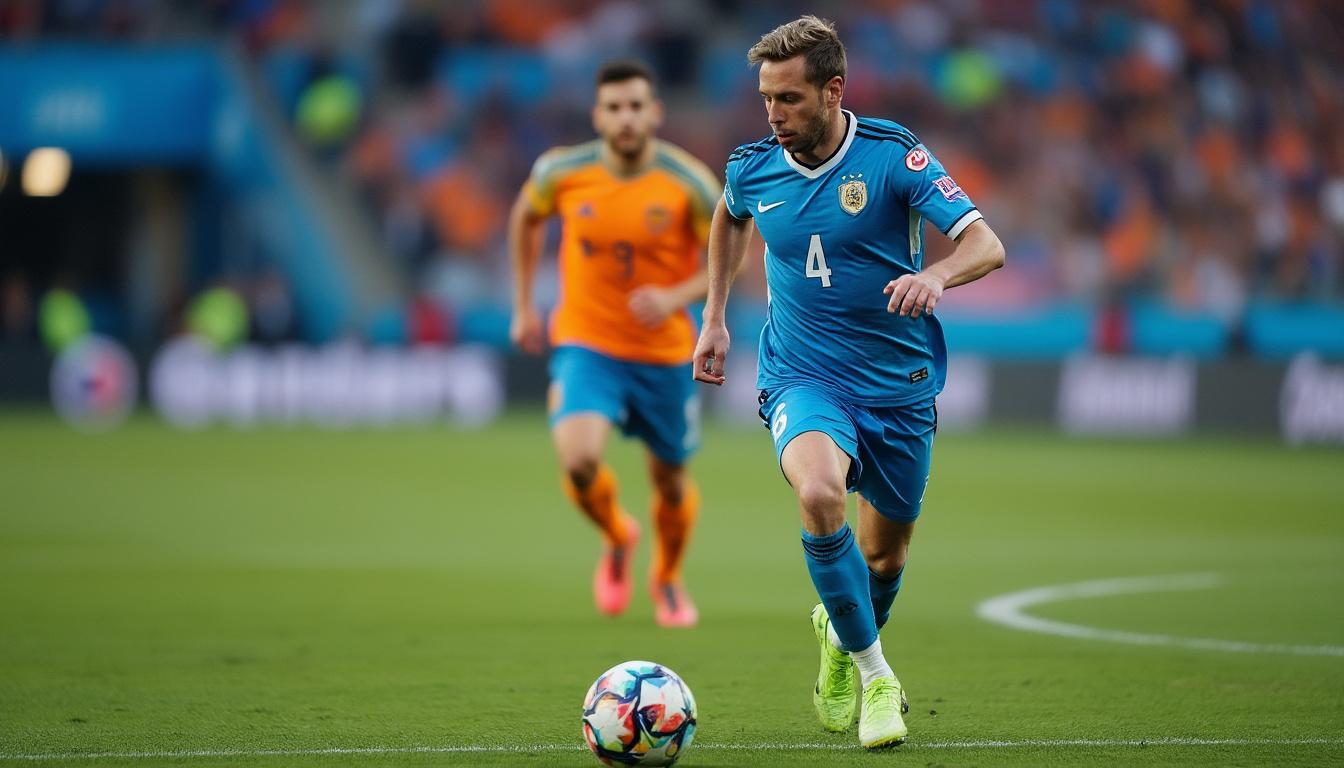
The African Cup of Nations (AFCON) 2025, scheduled between December 21, 2025, and January 18, 2026, is already shaping up to be one of the most electrifying and unpredictable tournaments in recent African football history. For the first time, the competition will stretch over the festive season, injecting a unique flavor of drama and anticipation that aligns with fans’ holiday fervor across the continent and beyond. Morocco, the host nation, is set to stage this historic winter edition, promising a festival of soccer upsets, tactical masterclasses, and remarkable player performances on some of the continent’s most scenic stages.
The consolidation of teams, tactical innovations, and a fresh tournament calendar are converging to create a championship that defies past patterns. This Winter Edition combines intense African football rivalries with a scheduling shift that challenges players’ stamina and club commitments alike. Tournament favorites will face unforeseen obstacles, and the stage is set for emerging underdogs to rewrite storylines, revealing the true spirit of African competition where grit sometimes outweighs pedigree. Welcome to what could be the most unpredictable Africa Cup of Nations to date.
Key Highlights in Brief:
- Historic Timing: AFCON 2025 breaks tradition by being held during the Christmas-New Year period, altering the football calendar profoundly.
- Moroccan Hosts: Morocco steps in as host for the second time, after a last-minute switch from Guinea due to hosting preparation concerns.
- Expanded Participation: 24 teams will battle across nine venues in six Moroccan cities, providing diverse atmospheres and challenging travel logistics.
- Critical Scheduling Impact: The timing avoids clashes with the inaugural Club World Cup and UEFA Champions League, balancing international duties and club football pressures.
- Unpredictable Outcomes: From absent giants like Ghana to rising teams like Comoros, the unfolding contest promises surprises that fans crave.
How the Winter Schedule Transforms AFCON 2025 Into an Unpredictable Tournament
The winter shift of AFCON 2025 presents a paradigm shift in the African football landscape. Traditionally played in January-February or summer months, holding the tournament during this festive period adds a raw edge of unpredictability that will resonate in every corner of the pitch. Teams must maneuver through congested club calendars, players face a physical toll, and tactical managers must adapt strategies under new time pressures.
In practical terms, this winter edition creates complications that affect both player availability and fitness levels. Premier League clubs, already battling a festive fixture frenzy, may hesitate to release African players, causing contention. However, CAF’s argument that AFCON 2025 represents the mandatory international tournament release ensures players will still arrive in Morocco, albeit under varied conditions.
For fans, this fluctuation means anything can happen. Soccer upsets are no longer anomalies but potential norms as fatigued stars mix with hungry newcomers. The wintry Moroccan climate, cooler but variable from city to city, adds another unpredictable factor influencing physical performances and tactical approaches from coaches.
Impacts on Players and Clubs
- Player Fatigue: Increased fixture load during the holiday season can reduce players’ peak performance levels.
- Club vs Country Dilemma: English and European clubs face a clash between retaining star players and honoring international commitments.
- Preparation Challenges: Teams must optimize short training camps while managing travel and recovery phases carefully.
- Player Form Variability: In-form top scorers might arrive injured or below par, affecting expected tournament favorites’ chances.
These elements force coaches to innovate football strategies, balancing attack with stamina preservation, and often turning to a deeper squad rotation. AFCON’s format—six groups of four leading to knockout stages—means every game counts. Under such intense conditions, the door opens wider for surprise results and giant-killing performances.
| Challenge | Impact | Example |
|---|---|---|
| Fixture Congestion | Physical and mental fatigue | Premier League holiday match overload |
| Player Release Conflicts | Delayed arrivals, squad changes | English clubs reluctant to release players early |
| Variable Playing Conditions | Adjustments in tactics | Morocco’s diverse city climates |
| Intense Knockout Format | Heightened pressure per match | Top teams must maintain consistency |

Diverse Host Cities and Stadiums: Morocco’s Grand Stage for AFCON 2025
Hosting the Africa Cup of Nations for only the second time, Morocco is rolling out the red carpet across six vibrant cities with nine stadiums, each providing a distinct backdrop to the African football spectacle. The differing stadium atmospheres and geographic settings create tactical puzzles for teams which must adjust not only to opponents but also to shifting environments.
From Rabat’s iconic Mohammed V National Theatre hosting the draw to bustling Casablanca, vibrant Marrakech, and coastal Agadir, players will experience a tour of Morocco’s cultural richness and climatic variety. This diversity elevates AFCON 2025 beyond just 24 teams playing football; it turns into a microscopic tour of African footballing pilgrimage through North Africa’s dynamic landscapes.
Key Cities and Stadium Features
- Rabat: Capital city sporting state-of-the-art venues embracing the latest stadium technology and managing large crowds with precision.
- Casablanca: Football passionate hub known for its electric atmosphere and intense home support.
- Marrakech: Exotic charm mixed with modern facilities offers a unique pressure cooker environment for players.
- Agadir: Coastal climate brings cooling breezes affecting playing style and endurance.
- Fes, Tangier, Oujda, and others: Each city’s unique altitude and weather conditions craft subtle but important tactical considerations.
The logistical aspect of traveling between venues introduces headaches for team staff but delivers dynamic matchday experiences for fans and broadcasters. Radio, TV, and digital platforms will capture these atmospheric shifts, making viewing AFCON 2025 akin to diving into a tournament epic. Serious African football followers will relish the blend of soccer skills with cultural immersion, and newcomers will be captivated by the spectacle’s diversity.
| Host City | Number of Venues | Key Characteristics |
|---|---|---|
| Rabat | 2 | Modern infrastructure, capital city energy |
| Casablanca | 2 | Lively crowd, football fervor |
| Marrakech | 1 | Unique environment, tourist hotspot |
| Agadir | 1 | Coastal climate with cooling effect |
| Fes, Tangier, Oujda | 3 | Mixed altitudes and weather conditions |
Teams to Watch and the Shifting Power Dynamics in African Football
The qualification phase for AFCON 2025 produced drama worthy of the championship itself. Some seasoned clubs like Ghana did not qualify, creating a vacuum that intensifies the sense of unpredictability. Meanwhile, powerhouse nations such as Egypt, Cameroon, Senegal, and Morocco are gearing to defend their pride under sharply altered competitive conditions.
This edition highlights a wide spectrum of team narratives: from the defending champions Ivory Coast eager to build on their recent success, to rising sides like Comoros making their second appearance aiming for an upset. The return of teams like Botswana and the absence of others like Tunisia’s frequent success story underscore a championship in transition.
Emerging Stories and Key Players
- Ivory Coast: Defending champions with a blend of experienced stars and hungry young talents.
- Morocco: Hosts equipped to leverage home advantage and extensive local support.
- Senegal: Regular finalists with tactical sophistication and pacey attacking midfielders.
- Egypt: Record holders hoping to reassert dominance through structured play.
- Comoros: The dark horse aiming to replicate the surprise runs from past editions.
All eyes will be on pivotal player performances: who will rise as the tournament heartbeat? Which strategy will outwit another amid the pressure cooker environment of knockout games? The blend of veterans and newcomers promises sharp tactical battles, where football strategies are as vital as individual flair.
| Team | Qualification Method | Previous Best | 2025 Appearance Count |
|---|---|---|---|
| Morocco | Host Nation | Champions (1976) | 20th |
| Ivory Coast | Group Runner-Up | Champions (2015, 2023) | 26th |
| Egypt | Group Winner | 7-time Champions | 27th |
| Senegal | Group Winner | Champions (2021) | 18th |
| Comoros | Group Winner | Round of 16 (2021) | 2nd |
Broadcasting Battles and How Fans Can Experience AFCON 2025
Access to AFCON 2025’s drama is on a scale that matches the tournament’s global appeal. Broadcasting rights have been widely distributed across African nations and international markets, ensuring that fans everywhere can follow every thrilling pass, goal, and shock result. The partnership between CAF, SuperSport, and emerging digital platforms creates a fan-friendly ecosystem where multiple perspectives—club and national glory clashes—are accessible at home or on the go.
Moreover, the unique winter scheduling benefits prime-time viewership in Europe and Africa, dovetailing perfectly with holiday downtime. This boosts audience numbers and ensures the highest exposure for player performances and football strategies, turning casual viewers into hardcore supporters. Such media backing provides financial muscle that sustains the tournament’s growth, echoing CAF’s recent $80 million profit announcement.
- Multiple Platforms: Satellite, cable, and streaming options for global access.
- Free-to-Air Broadcasts: Expanding visibility to previously underserved regions.
- Language Diversity: Commentaries in various African languages and French, English.
- Fan Engagement: Social media campaigns, live fan zones, and interactive content.
| Broadcast Partner | Region Covered | Access Type |
|---|---|---|
| SuperSport | Sub-Saharan Africa | Subscription |
| African Broadcasting Network | Pan-Africa Free-to-Air | Free-to-Air |
| Channel 4 | United Kingdom | Free-to-Air |
Fans wanting deep dives into team line-ups, tactical summaries, and post-match analysis can click here to explore expert insights complementing the live viewing experience. This solidifies AFCON 2025 as a communal festival of African football passion and shared excitement abiding well beyond the stadium walls.
AFCON 2025: The Perfect Storm for Unprecedented Soccer Upsets
This edition of the Africa Cup of Nations embodies the very essence of African football — fierce competition, unrelenting passion, and unpredictability that keeps millions riveted. The winter schedule, combined with Morocco’s vibrant host cities and a reshuffled roster of tournament favorites, creates fertile ground for stunning twists and breathtaking moments.
With star players fighting through grueling conditions and coaches balancing tactical gambles with fitness concerns, AFCON 2025 is not just a championship but a vivid narrative of resilience and glory. Among others, the defending champions Ivory Coast, Senegal’s sharpshooters, and Egypt’s legendary squad all stand ready to etch their mark with heroic player performances and tactical ingenuity.
- Unique Scheduling: First-ever Christmas-New Year African football festival.
- Wide Competitive Field: 24 teams creating rich diversity and possibility for soccer upsets.
- Host Advantage: Morocco’s home support adding atmosphere and pressure.
- Football Strategies: Innovative plays balancing stamina and attack amid tight match schedules.
- Emotional Engagement: Fans embracing the drama with chants, celebrations, and heartbreak moments.
| Factor | Expected Influence | Potential Outcome |
|---|---|---|
| Winter Schedule | Higher fatigue, scheduling conflicts | Surprise results, squad rotation |
| Host Nation Morocco | Atmospheric home advantage | Strong local team encouragement |
| Diverse Team Line-Up | Unpredictable upsets, new challengers | Increased tournament drama |
| Tactical Innovations | Strategic flexibility and surprises | Unfolding compelling narratives |
Why was AFCON 2025 moved to a winter schedule?
AFCON 2025 was shifted to December-January to avoid overlapping with the inaugural FIFA Club World Cup and to better fit the European football calendar, ensuring African teams have optimal player availability and minimizing scheduling conflicts.
Which cities in Morocco will host the AFCON 2025 matches?
Matches will be hosted across six Moroccan cities including Rabat, Casablanca, Marrakech, Agadir, Fes, Tangier, and Oujda, with a total of nine stadiums providing a rich variety of atmospheres and conditions.
How does the new schedule affect player participation from European clubs?
European clubs, especially from the Premier League, face fixture congestion during the holiday season, leading to concerns about player fatigue and reluctance to release players; however, CAF mandates player release for AFCON as the mandatory international tournament.
What makes AFCON 2025 particularly unpredictable compared to previous editions?
The combination of a challenging winter schedule, absence of traditional powerhouses like Ghana, the return of underdogs, and Morocco’s home advantage creates an environment ripe for unexpected results and thrilling upsets.
Where can fans find detailed analysis and updates about AFCON 2025?
Fans can explore expert insights, tactical breakdowns, and match coverage by clicking here, enhancing their viewing experience with in-depth football knowledge.