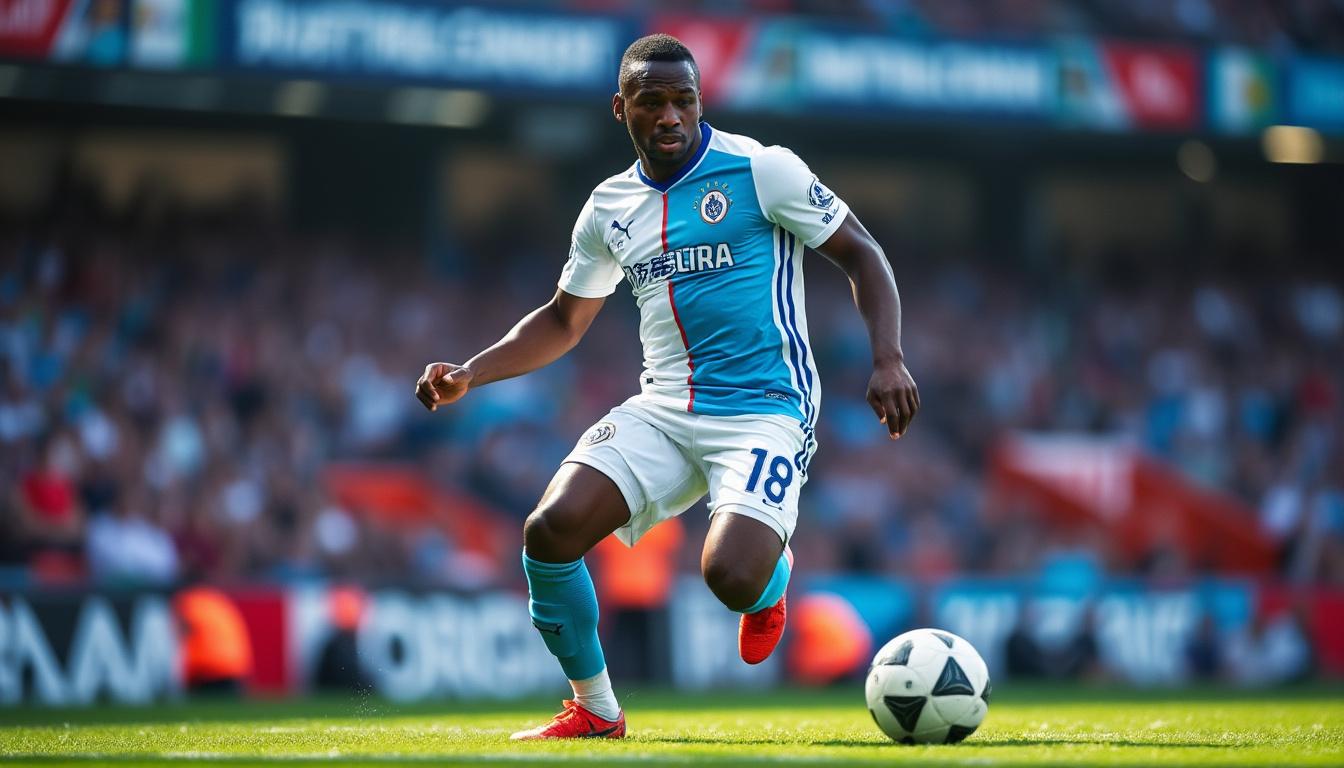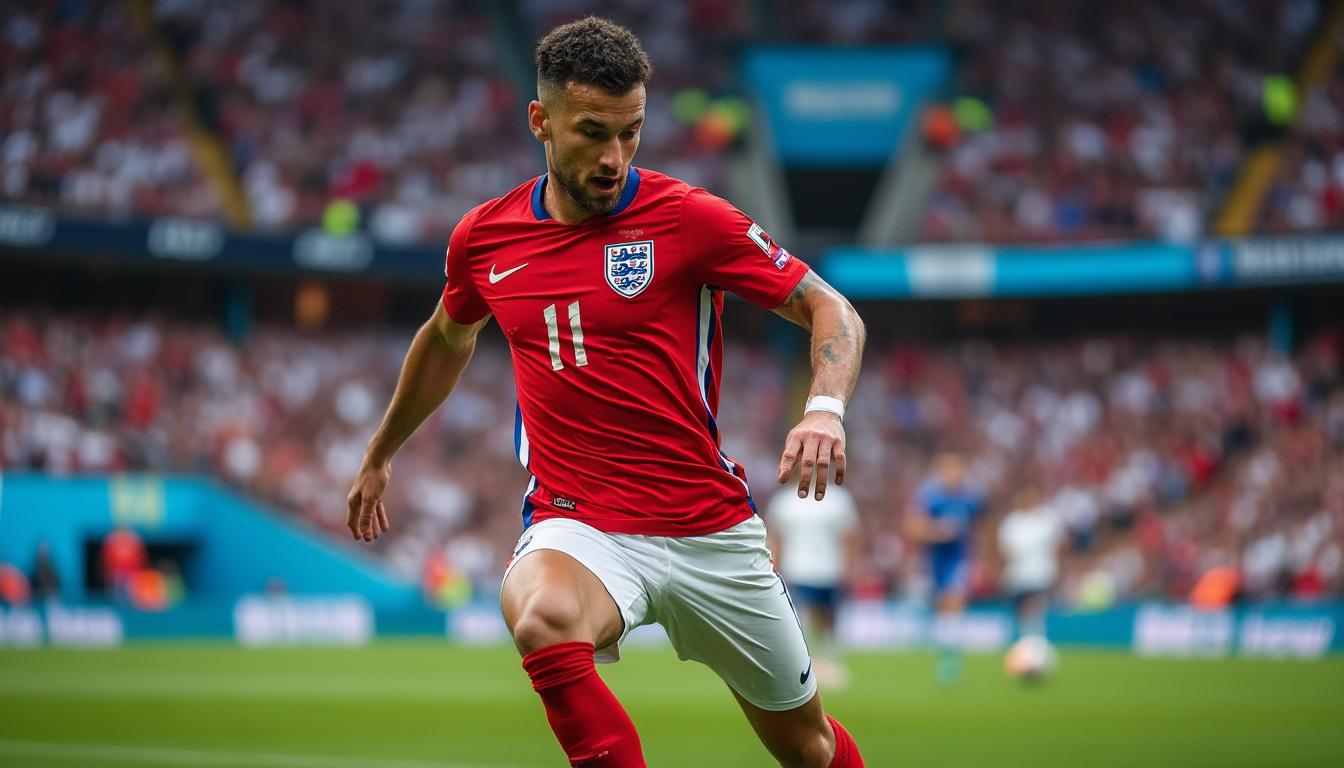
The 2026 FIFA World Cup is shaping up to be a mesmerizing showcase of England’s midfield talent, sparking intense debates among fans, analysts, and bookmakers alike. The Three Lions bring to the table a historic depth of midfielders—a rich tapestry woven from seasoned warriors and dazzling youngsters, each promising to influence the tournament’s narrative. As manager Thomas Tuchel faces the daunting task of finalizing his 26-man squad, questions swirl about who fits into his tactical blueprint and how England’s team strategy will balance aggression with control. Beyond the pitch, betting markets are buzzing with nuances, reflecting the fine margins that could tip England toward glory or heartbreak. This unfolding drama doesn’t just belong to the football purists; it weaves a narrative that grips every supporter eager for another chapter in England’s pursuit of World Cup success.
Backing England goes beyond allegiance—it’s about understanding the complex chessboard of player selection, formation dynamics, and tactical ingenuity. With midfielders like Jude Bellingham and Declan Rice poised to dictate tempo, the battle for places in the squad is fierce, emblematic of the sheer player depth England commands. Each decision resonates deeply, not only for team balance but also within betting circles where odds fluctuate based on player form, fitness, and tactical choices.
England’s Midfield Selection Challenges: Navigating Talent and Tactical Demands
The sheer volume of quality midfield options available to Thomas Tuchel is a double-edged sword. On one hand, the manager enjoys unprecedented flexibility; on the other, he must confront the delicate balance of personalities, styles, and physical readiness. England’s midfield currently boasts a blend of established internationals and Premier League stars whose club performances spark heated debates about merit and potential.
Jude Bellingham’s rise is perhaps the most exciting storyline. At just 21, he brings an exceptional mix of vision, technical ability, and maturity beyond his years. His performances in the qualifiers showcased his capacity to lead midfield phases both offensively and defensively. Yet, his selection is only the tip of the iceberg. Declan Rice continues to anchor the midfield with his brutal interceptions and ability to distribute the ball, making him indispensable. Mason Mount, Phil Foden, and James Ward-Prowse add creative and set-piece dimensions that any tactical setup would benefit from.
However, competition is fierce. Players like Kalvin Phillips, Conor Gallagher, and even emerging stars from the Championship and lower tiers vie for inclusion. The limited number of midfield spots—typically six to eight in the 26-man squad— forces tough calls. Tuchel must weigh factors like international experience, squad harmony, and adaptability under intense World Cup pressure.
Adding complexity, tactical considerations demand different skill sets. A 3-4-3 configuration leans heavily on wing-backs for width and requires central midfielders who can man-mark diligently while transitioning quickly. Conversely, a 4-2-3-1 favors creative midfielders with playmaking prowess and the stamina to press relentlessly. Tuchel’s penchant for tactical switching means squad versatility becomes paramount.
Fitness levels and injury risks also influence selection. The congested club calendar has taken a toll on many players, and with the World Cup held across North America’s vast geography, travel fatigue remains a valid concern. Balancing peak physical condition with tactical need has never been more crucial.
In summary, England’s midfield selection challenges revolve around balancing youth and experience, maintaining tactical flexibility, and managing player fitness. The final decisions inside the camp will reflect a mosaic of strategy and intuition, aiming to forge a unit capable of thrilling the nation.

Tactical Balance in England’s Midfield Setup: Crafting the Perfect Engine for World Cup Glory
England’s midfield is the engine room that will either drive the team forward to victory or leave it stranded amid tactical misfires. Thomas Tuchel’s genius lies in his ability to juggle different tactical demands, a skill that will be tested on soccer pitches across North America. The tactical balance must reconcile control and creativity with defensive solidity, ensuring the midfield dictates the game’s rhythm rather than reacting to it.
Traditionally, England has grappled with midfield balance, oscillating between defensive rigidity and attacking flair. Tuchel’s 3-4-3 system empowers wing-backs like Trent Alexander-Arnold and Reece James to add width, but it requires midfielders who can track back relentlessly. Here, Declan Rice’s role as a midfield shield is pivotal—breaking up opposition attacks, winning second balls, and setting the tempo.
Meanwhile, creative freedom is entrusted to players like Jude Bellingham and Phil Foden, whose flair and vision unlock defenses. Their ability to operate between lines, provide incisive passes, and shoot from distance energizes the attack. Mason Mount’s tactical intelligence allows him to shuttle between supporting Kane upfront and controlling midfield tempo, adding a different dimension.
Flexibility is key. England’s ability to shift from a 4-2-3-1 to a 3-4-3 formation mid-game means midfielders must master multiple roles: box-to-box runners, holding players, or creative number tens. This multi-dimensionality keeps opponents guessing and gives England an edge in crucial moments. For example, in a tight knockout fixture, a solid two-man pivot with Rice and another defensive midfielder may be preferred, whereas in group matches against weaker sides, an attacking trio can dominate possession and create opportunities.
Depth means Tuchel can rotate players without compromising tactical principles, vital in a tournament demanding intense physical and mental endurance. Several midfielders’ abilities to press aggressively, maintain possession, and recycle ball possession under pressure epitomize this balance.
Concrete examples from the qualifiers reflect how Tuchel experimented with different midfields, tweaking roles to find the perfect balance. As expectations rise, so too does the demand for a midfield that seamlessly marries creativity with discipline—making England’s midfield an electrifying puzzle of tactical balance.
Player Depth and Squad Dynamics: The Heartbeat of England’s Tournament Resilience
A squad is only as strong as its depth, and for England, the midfield is the heartbeat that sustains tournament resilience. The broad pool of talent enables Tuchel to navigate inevitable injuries, suspensions, or tactical switches without plunging into crisis. This player depth creates a competitive environment that fuels performance levels but also poses psychological and managerial challenges.
The midfield boasts a compelling lineup:
- Declan Rice: The defensive anchor, indispensable in breaking up plays and maintaining discipline.
- Jude Bellingham: The youthful maestro, blending youthful dynamism with tactical maturity.
- Mason Mount: Tactical facilitator capable of linking defense and attack smoothly.
- Phil Foden: Inventive spark, with a knack for moments of brilliance.
- James Ward-Prowse: Dead-ball specialist who can change game momentum with set-piece prowess.
- Kalvin Phillips and Conor Gallagher: Ready to step up with grit and flexibility.
Beyond starters, the presence of versatile midfielders ensures that substitution decisions can adapt to various match scenarios. Consider Kalvin Phillips, who offers a physical presence and experience, ideal to guard a lead late in matches, or Gallagher’s energy, useful for pressing high and overturning control. Such options keep England’s tactical approach fluid rather than rigid.
Psychologically, this competition fosters a ‘fight for the jersey’ atmosphere, vital for maintaining high standards. Younger players are motivated to seize every opportunity, while veterans provide leadership and stability. Tuchel’s challenge lies in managing egos and ensuring harmony—a diplomatic balancing act that coalesces a group into a true team.
From the viewpoint of betting insights, this depth complicates predicting exact lineups but enriches England’s chances in various game states. Teams with deeper benches historically fare better in gruelling tournaments, where stamina and adaptability count as much as skill.
The table below illustrates a sample comparison of England’s key midfielders based on playing style, tactical role, and recent form:
| Player | Playing Style | Tactical Role | Key Strengths | 2025 Form Rating (out of 10) |
|---|---|---|---|---|
| Declan Rice | Ball-winning midfielder | Defensive anchor | Interceptions, passing range | 8.7 |
| Jude Bellingham | Box-to-box playmaker | Creative leader | Vision, dribbling, stamina | 9.2 |
| Mason Mount | Versatile midfielder | Tactical facilitator | Work rate, link-up play | 8.3 |
| Phil Foden | Attacking midfielder | Creative spark | Agility, shooting | 8.5 |
| James Ward-Prowse | Set-piece specialist | Dead-ball expert | Leadership, crossing | 8.0 |
Betting Insights on England’s Midfield Impact: What Fans and Punters Should Watch
For anyone passionate about football betting, England’s midfield composition is a dynamic variable influencing odds and match predictions. Bettors increasingly analyze tactical balance and player depth to understand how England might control games, create chances, or defend leads.
Market reactions to squad announcements and injury news are often swift. Inclusion of a creative force like Bellingham or a defensive rock like Rice can shift betting prices dramatically in markets such as “Most Points Earned,” “To Score First,” or “Clean Sheet Probabilities.”
For example, if rumors circulate about a fatigue issue affecting Foden, betting odds for England’s attacking output might tighten due to perceived reduction in creativity. Conversely, a fully fit and in-form midfield makes England a favorite in head-to-head matchups, particularly in the early knockout stages where control of midfield dictates success.
The synergy between midfield players also affects in-play betting dynamics. A midfield capable of restricting opposition possession generally correlates with lower risk in live betting markets. Punters studying player roles and fitness can gain an edge by anticipating substitution patterns and tactical shifts—integral during a tournament with unpredictable momentum swings.
Additionally, betting markets consider the impact of England’s tactical formation choices in real time. Switching to a defensive 3-4-3 when leading may boost odds on a clean sheet, while a more attacking 4-2-3-1 can improve “Total Goals Over” wagers.
Those looking to deepen their betting strategy should always click here for detailed analysis blending team strategy and statistical insights—crucial for navigating the passionate and often volatile world of World Cup betting.
Team Strategy and the Midfield’s Role in England’s Quest for World Cup Triumph
England’s quest for World Cup glory hinges on a midfield that can perform at superhero levels under the monumental pressure of fandom and expectation. The team strategy crafted around this player depth is more than tactical diagrams; it’s an emotional blueprint that connects with the soul of every Three Lions supporter.
Central to this strategy is the demand for adaptability—midfielders must not only execute game plans but also respond instinctively to fast-changing scenarios. This includes absorbing high-pressure opposition, launching rapid counterattacks, and maintaining relentless work rate throughout 90 minutes plus extra time.
Tuchel’s system prizes players who understand their roles without hesitation. The symbiotic relationship between midfielders—such as how Rice’s defensive shielding complements Bellingham’s roaming creativity—forms the backbone of England’s approach. Mastery in transition, both defensively and offensively, will define match outcomes.
Brick by brick, England’s midfield sets the tone for the entire team. Pressure from midfielders winning back possession sparks ecstatic crowd reactions, while inch-perfect passes into the attacking third elicit hope and anticipation. The emotional ebb and flow of games hinge on this engine room performing flawlessly.
Illustrating this, recent friendlies and qualifying matches have revealed how England alternates between possession-based dominance and direct counterattacks, leveraging the unique skill sets within their midfield roster. It’s more than football; it’s storytelling—told through the narrative of every tackle, pass, and run.
As the countdown to the World Cup finalizes, the midfield’s role as England’s emotional, tactical, and strategic beating heart is crystallizing. Fans and analysts alike are united in their belief that mastering this unit may be England’s greatest path to lifting the trophy once more.
Who are the key midfielders expected to make England’s 2026 World Cup squad?
Key midfielders include Jude Bellingham, Declan Rice, Mason Mount, Phil Foden, and James Ward-Prowse, all bringing a mix of creativity, experience, and tactical versatility.
How does tactical balance affect England’s midfield selection?
Tactical balance requires blending defensive solidity with creative flair, demanding midfielders who can perform multiple roles to adapt formations like 3-4-3 or 4-2-3-1 depending on the match.
What challenges does England face in selecting their midfield for the World Cup?
Challenges include managing player fitness, integrating young talents with veterans, maintaining squad harmony, and ensuring tactical flexibility to handle different opponents.
How does England’s midfield depth impact betting markets?
Midfield depth influences betting odds by affecting predictions on possession control, goal-scoring opportunities, and defensive resilience, making player availability and tactical decisions pivotal for punters.
Why is England’s midfield considered crucial to their World Cup success?
The midfield controls tempo, dictates game dynamics, and balances offense with defense—crucial factors in managing pressure, unlocking defenses, and sustaining team energy throughout high-stakes matches.