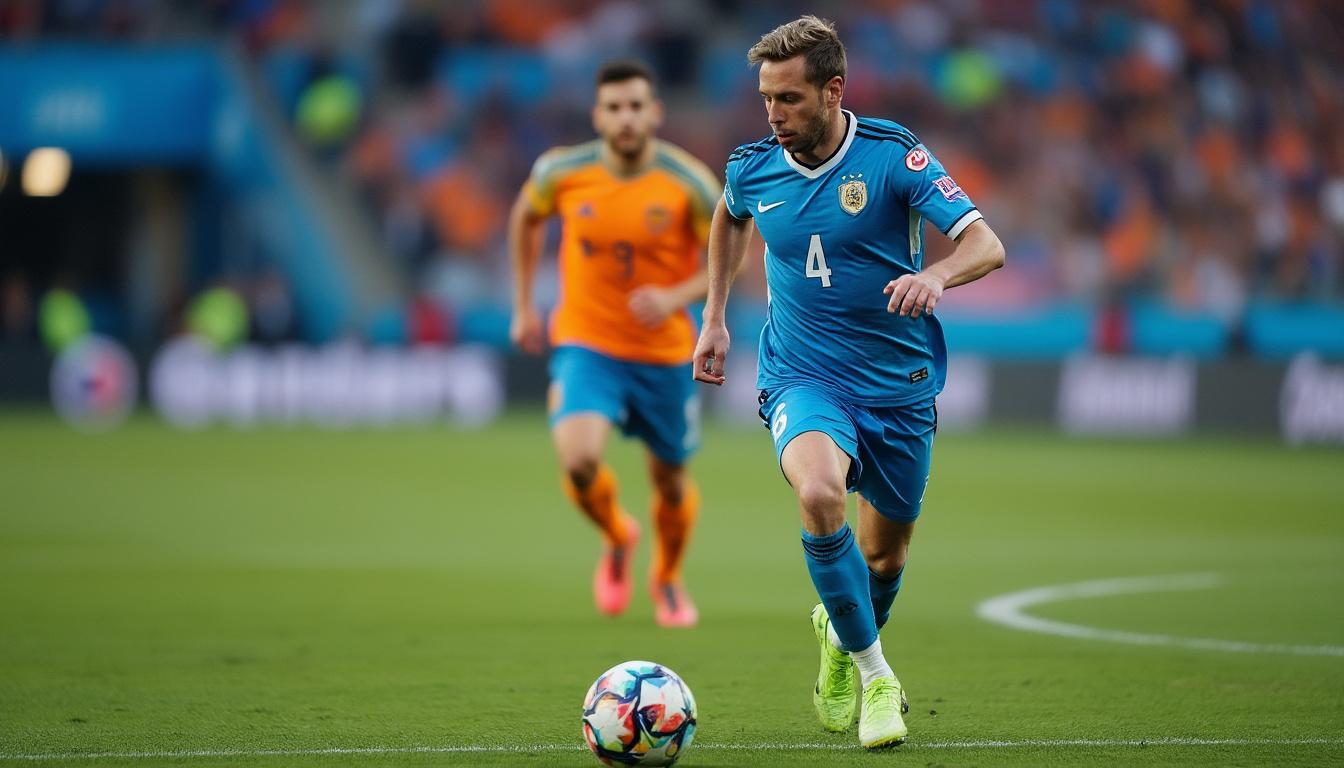
The Knockout race taking place on December 27, 2025, promises to be one of the most captivating football events of the season. With a combination of raw passion, unyielding competition, and the razor-sharp precision of advanced analytics, the spotlight falls on the strongest squads vying for ultimate glory. The intersection of data-driven sports analysis and explosive on-pitch action elevates the spectacle beyond mere athleticism, offering fans unprecedented insight into team performance and strategies at this critical juncture of the competition. As the race intensifies, each squad’s every move, every player statistic, and every tactical decision carries the weight of destiny.
In recent years, the use of high-tech analytics has revolutionized how squads prepare and execute their game plans, transforming football from an art of instinct to a blend of art and science. This evolution injects new layers into the Knockout race, creating a multi-dimensional competition that rewards both brute strength and intellectual mastery. With clubs peering deep into databases, scouting nuances from previous matches, and interpreting the unpredictable variables of team dynamics, the matchday atmosphere becomes a potent cauldron of strategy and spectacle.
The gravity of December 27 cannot be understated. It is the day teams break out of group phases or earlier rounds to face the unforgiving knockout format — a crucible where legends are forged, and underdogs rise. Fans following the journey can catch full match replays or analyze near real-time stats that show which nations and squads bring not only the muscle but also the brains behind their success. The blend of emotional highs and the cold, hard numbers creates a narrative that every supporter wants to live through again and again.
Through a data-driven lens, the Knockout race becomes not just a series of games but a vast, unfolding story of tactical evolution, player brilliance, and psychological resilience. It’s a story that speaks to every facet of football fandom — from those who revel in the pure adrenaline of last-minute goals to the strategists who relish dissecting each pass and formation change. Every moment on December 27 holds the potential for a game-changing highlight, a tactical masterstroke, or a surprising outcome that sends shockwaves through the footballing world.
- Advanced analytics reveal the top-performing squads in the Knockout race.
- Strategic depth and player statistics drive the competition’s escalating intensity.
- December 27, 2025, marks a decisive moment where data and passion intersect.
- The knockout format amplifies drama and unpredictability for players and fans alike.
- Access to match replays and sports analysis enhances fan engagement worldwide.
Advanced Analytics Unveiling the Strongest Squads in the Knockout Race
The heartbeat of the December 27 Knockout race pulses to the rhythm of advanced analytics, offering a crystal-clear map of the strongest squads competing for the crown. While traditional scouting and gut feeling once dominated team assessments, state-of-the-art technologies now crunch enormous volumes of data—from player heatmaps and pass success rates to defensive recoveries and shot efficiency. This overload of information distills into actionable insights that redefine how squads prepare and compete in high-stakes encounters.
Consider the breakthrough in performance tracking systems that blend GPS data, biomechanical analysis, and machine learning models. These tools dive beneath surface-level statistics, revealing subtle but critical details like acceleration patterns during counterattacks or stamina drain in the final 15 minutes. Such granularity arms coaches with the ability to tailor training regimens and craft in-game tactics precisely to outwit their opponents. In the Knockout race, this edge is often the difference between marching forward or facing heartbreak.
Squads leading the knockout charts showcase sterling examples of data-driven domination. England’s emerging powerhouse, for instance, leverages predictive analytics to discern when to press aggressively and when to absorb pressure. Meanwhile, Senegal’s combination of high-intensity pressing and rapid transitions is backed by real-time data highlighting their sprint distances and recovery speeds. These stats do not merely float abstractly—they translate into on-field ferocity and tactical coherence.
Sports analysis also strips away the myth of the “lone hero” by spotlighting team synergy and balanced contributions. Football, at its core, is a collective game, and analytics reveals which units operate with razor-sharp cohesion. By dissecting passing networks and ball progression tendencies, analysts expose which squads effectively orchestrate possession phases and convert them into scoring opportunities.
As fans track these metrics, an appreciation grows for the intricate blend of physical conditioning, mental acuity, and collective discipline that defines the strongest squads. This tournament is not a mere display of individual brilliance but a battlefield where preparation meets opportunity, all meticulously quantified by advanced analytics.

How Data-Driven Team Performance Shapes the Knockout Dynamics
Shaping the contours of the Knockout race are the minute details locked inside data that forecast how teams perform under extreme pressure. The knockout format brings a unique crucible that magnifies every tactical decision, every substitution, and every moment of brilliance or error. Advanced analytics is the compass guiding teams through this storm.
Team performance metrics now extend far beyond possession percentages or basic shot counts. Instead, sophisticated models simulate various match scenarios, aid in decision-making, and identify opponents’ weakest zones. Coaches can customize game plans using historical tendencies combined with live-event inputs, bridging the gap between static preparation and fluid matchday realities.
Take the example of pressing efficiency—how vigorously and effectively a team applies pressure once possession is lost. Analytics assign numeric ratings to pressing success by mapping zones where turnovers occur most frequently. With this insight, squads optimize their counter-pressing roles, resulting in a higher chance to transition quickly into attacks.
Further, data has elucidated the importance of psychological resilience during knockout scenarios. Metrics on player consistency, clutch performance index, and fatigue prediction equip staff to rotate players effectively, ensuring freshness when the stakes are highest. In a competition where margins are infinitesimal, not managing physical and mental resource can cost glory.
The team-squad chemistry also emerges as a quantifiable asset. From tracking combined distance covered by player pairs to analyzing timing in executing set pieces, sports analysts form a holistic view of how united a squad is. This cohesion directly influences the quality of passes, interceptions, and goal-scoring chances.
December 27’s knockout atmosphere thus becomes a theatre where data meets heart. Each team’s strategy involves a tapestry woven from advanced analytics and the raw will to conquer. This fusion paints a vivid picture of a competition where numbers empower the human elements of passion and fight to shine through.
Top Athlete Statistics That Predict Knockout Race Success
Individual player statistics have emerged as powerful predictors in the December 27 knockout drama, extending the analytical reach from teams to the athletes themselves. Every sprint, tackle, shot, and assist gets under the microscope, becoming critical markers of impact and consistency.
Athletes with high work-rate indices and successful duel percentages dominate the rankings, setting the tone for how a squad performs. For instance, midfielders boasting above 90% pass accuracy combined with an average of 10 interceptions per game elevate defensive solidity while maintaining offensive fluidity. Such stats are gold dust in knockout matches where a single misstep invites disaster.
Strikers who convert chances with clinical precision—quantified by shot conversion rates—gain an elevated status. Yet, beyond raw finishing stats, smart involvement metrics track how players create space, link play, and draw fouls. These intangible contributions often fuel decisive moments that tip knockout games.
Goalkeepers too emerge as critical factors. Save percentages and distribution accuracy unlock insights into how well a team can shift momentum. A keeper’s ability to launch accurate counterattacks from deep sets the tone for high-tempo play.
Behind these numbers lie stories of athletes pushing boundaries—like the invaluable endurance of a winger consistently sprinting 12 kilometers per match or the mental toughness of defenders excelling in blocking and interceptions under pressure. Such detailed athlete statistics underpin the overall race forecast, providing clues on which squads have the physical and technical depth to survive knockout shocks.
Race Forecast: Predicting Outcomes Using Sports Analytics
Predicting the outcome of a knockout race, especially one as fiercely contested as the December 27 event, requires a fusion of historical data, current form, and calculated guesswork—all balanced through rigorous sports analysis. Advanced predictive models weigh team strengths, player fitness, past head-to-heads, and even environmental conditions like weather or turf quality to chart possible trajectories.
These models generate race forecasts showing probabilities of advancement based on multi-layered data input. They also incorporate momentum metrics—gauging if a team is peaking at the right moment or struggling with confidence issues. The knockout structure, where one error can send a squad home, heightens the importance of accuracy in these forecasts.
For example, analysis prior to December 27 suggested that squads with balanced offensive and defensive stats coupled with efficient transition play would dominate. Teams with analytical profiles illustrating high pressing turnovers and effective set-piece conversion rates ranked as favorites. This dynamic forecasting drives fan discussion and betting markets alike.
Moreover, the integration of real-time data from ongoing matches feeds into live forecasts, updating probabilities and enabling commentators and fans to witness the ebb and flow of pressure. This live data engagement transforms viewing from passive to participatory, as spectators become co-interpreters of unfolding narratives.
| Squad | Pressing Efficiency (%) | Set-Piece Conversion Rate (%) | Passing Accuracy (%) | Average Possession (%) |
|---|---|---|---|---|
| South Africa | 78 | 24 | 85 | 57 |
| Canada | 75 | 27 | 82 | 60 |
| United Kingdom | 72 | 30 | 88 | 62 |
| United States | 68 | 22 | 80 | 55 |
| Ukraine | 65 | 19 | 78 | 54 |
Competition Insights: What Sets the Strongest Squads Apart on December 27
The essence of the Knockout race lies in its unforgiving nature—one bad day spells disaster, while one inspired performance can crown a new champion. What truly separates the strongest squads on December 27 is their ability to blend physical power, tactical intelligence, and emotional resilience.
Defensive solidity remains a cornerstone. Teams that marshal their backline with discipline and smart positioning rack up interceptions and reduce clear chances conceded. The UK squad exemplifies this with a high interception rate and a structured defensive block that frustrates attackers.
Offensively, diversification of attack channels makes squads unpredictable. Advanced analytics expose which teams have multiple threats—wingers who can stretch defenses, midfielders who orchestrate play, strikers who finish clinically. Being multidimensional in attack keeps opponents guessing and breaks down stubborn defenses.
Mental strength is often the wildcard. The knockout format amplifies pressure, and the teams that thrive are those that remain composed under duress. Statistics on clutch moments, error frequency in final minutes, and comeback success rates serve as measurable indicators of this grit.
Lastly, seamless squad rotation based on analytics of player fatigue and recovery allows the strongest teams to maintain peak performance deep into the race. Managing workload ensures freshness when it matters most.
Fans eager for comprehensive coverage and tactical breakdowns can explore detailed match replays and in-depth analyses of the strongest nations heading into the knockout phase.
How do advanced analytics improve team performance in knockout football competitions?
Advanced analytics provide detailed insights into player performance, team cohesion, and tactical effectiveness, enabling coaches to make data-driven decisions that optimize strategies and improve outcomes in high-pressure knockout matches.
Which squad statistics are most critical for success in the Knockout race?
Key statistics include pressing efficiency, set-piece conversion rates, passing accuracy, and average possession. Teams excelling in these areas typically demonstrate balanced offensive and defensive capabilities essential for knockout success.
Why is December 27 significant in the Knockout race 2025?
December 27 marks the pivotal knockout phase where only the strongest squads advance toward championship glory. The date represents a high-stakes turning point intensified by the unforgiving nature of single-elimination competition.
Can individual player stats predict team success in knockout football?
Yes, individual player statistics such as work rate, pass accuracy, shot conversion, and defensive actions play a vital role in the team’s overall performance, often tipping the balance in tightly contested knockout matches.
Where can fans watch replays and detailed analyses of the December 2025 knockout matches?
Fans can access full match replays and expert insights through platforms offering full match replays and detailed match replays, keeping them connected to every thrilling moment.