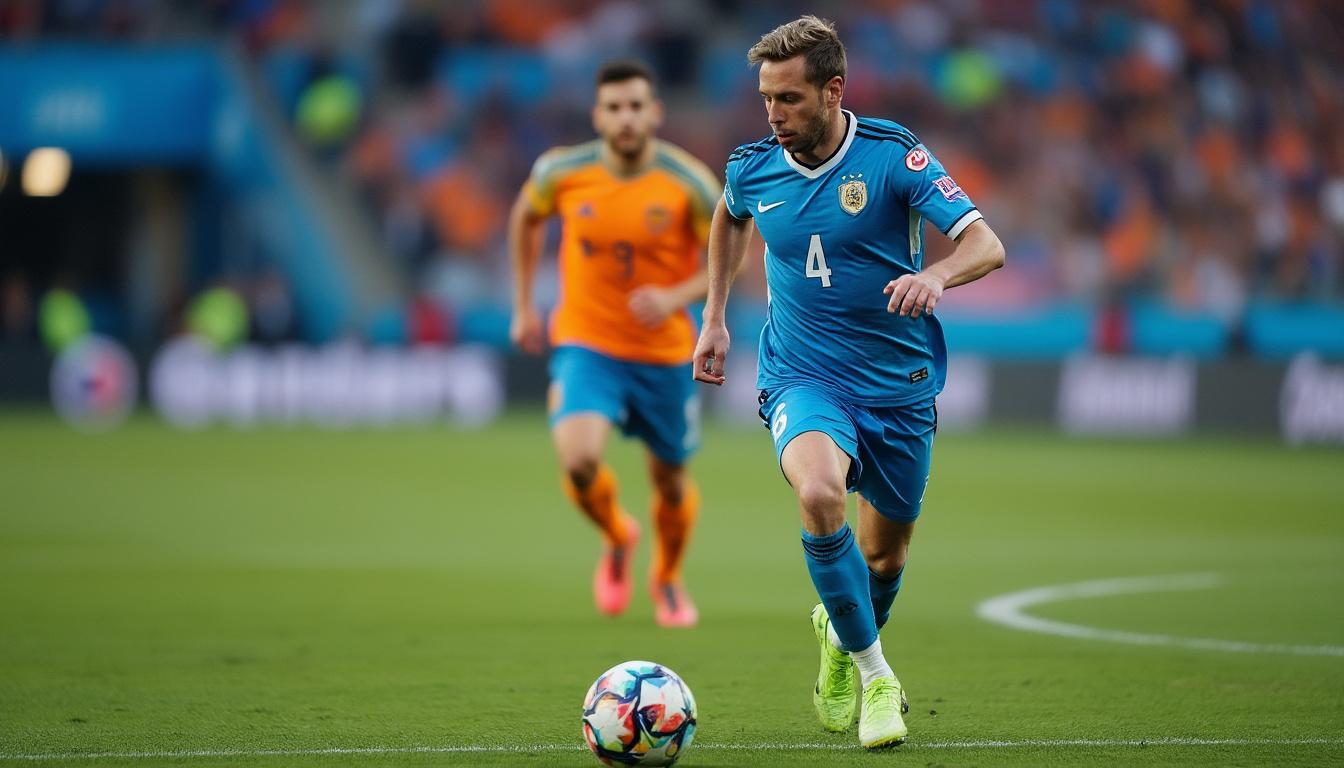
The Africa Cup of Nations (AFCON) 2025, set against the vibrant backdrop of Morocco, ignites an extraordinary mix of passion, skill, and unyielding ambition among Africa’s football giants and emerging contenders. As December 2025 approaches, the excitement swells around the key players whose statistical leadership is shaping every nation’s push for continental supremacy. The tournament’s unique timing across the festive period fuels a volatile atmosphere where each minute is charged with decisive moments, and every tactical nuance counts in qualification narratives.
The grand stage doesn’t merely spotlight veteran legends but introduces freshly minted talents whose player performance could turn underdog stories into historic triumphs. With squads expanded to 28 players, coaches wield deeper benches, allowing for tactical experimentation and stamina management through grueling fixtures. This development highlights the importance of understanding defensive stats, midfield control, and the relentless chase for goals, all of which culminate in the complex web of qualification impact that fans and analysts are dissecting with fervor.
From the absence of Ghana, shaking the traditional hierarchy, to the resurgence of nations like Morocco employing a vibrant mix of youth and experience, the statistical leaders of December 2025 serve as both protagonists and game-changers. These athletes don’t just influence scores; they embody a continent’s hopes, the exuberance of fans, and the raw, unfiltered drama that defines Africa’s ultimate football celebration.
In odd harmony with the holiday season, AFCON 2025’s crescendo underscores football’s relentless heartbeat across stadiums and living rooms alike — a reminder that in African football, every single statistic carries the weight of pride and destiny.
In brief:
- Morocco leverages the home advantage with a tactically versatile squad.
- Ivory Coast defends its title relying on seasoned European-based stars.
- Ghana’s historic absence reshapes the qualification landscape.
- Expanded 28-player squads allow for strategic rotations and injury cover.
- Top scorers and assist leaders are pivotal in determining match outcomes and qualification prospects.
- Emerging talents from nations like Comoros and Botswana increase tournament unpredictability.
- Defensive solidity and midfield dominance remain vital statistical factors influencing team success.
Top Statistical Leaders Driving AFCON 2025 Qualification Success
The road to AFCON 2025 qualification has been meticulously shaped by players dominating in critical statistical categories — goals, assists, interceptions, and midfield mastery. Across December 2025, these statistical leaders have emerged as the linchpins of their teams’ fortunes, carving paths through defenders with clinical precision and anchoring defensive lines with strategic acumen.
On the offensive front, top scorers like Victor Osimhen for Nigeria and Mohamed Salah of Egypt have consistently put their teams on the scoreboard, while Senegal’s Sadio Mané’s dual threat as a scorer and creator amplifies his team’s attack. These players’ capacity to convert chances, measured not just in goals but in expected goal (xG) metrics, reflects a surgical efficiency crucial for qualification rounds, as detailed in goal conversion rates analysis.
Equally impactful are assist leaders who serve as creative arteries to their forward lines. Ismaila Sarr’s ability to control wide spaces and thread key passes exemplifies the vital role of playmakers in midfield control. Their contribution is quantified not only by assists but by pre-assist actions and progressive passes that disrupt defensive structures.
Defensive stats paint an equally informative picture, where players like Kalidou Koulibaly anchor backlines with composure and tactical intelligence. The reduction of defensive errors, increased pressure success, and ball recoveries feed into overall team stability — a core theme illuminated in coverage such as analyses of defensive errors under pressure. Teams that merge defensive solidity with dynamic transitions tend to have better qualification outcomes.
Moreover, player performance is not static but fluctuates against factors like fatigue, tactical adaptations, and psychological pressures, making squad depth and rotational strategies vital, especially with the expanded 28-player rosters. Coaches leverage these metrics to deploy players optimally, ensuring sustained effectiveness across the tournament’s demanding schedule.

Squad Dynamics and Tactical Innovations Influencing AFCON 2025 Qualification
The interplay between squad configuration and tactical planning has assumed unprecedented importance in December 2025, as nations fine-tune their strategies backed by comprehensive statistical insights. The allowance of up to 28 players per squad allows coaches to experiment with formations, substitution patterns, and contingency plans, responding to the unique challenges presented by AFCON qualification.
Morocco’s roster exemplifies a blend of youthful exuberance and seasoned expertise. The inclusion of attackers like Brahim Diaz alongside stalwart defenders such as Achraf Hakimi reflects an intention to balance possession dominance with rapid, high-press counterattacks. This tactical framework leverages statistical trends noted in possession and shot metrics that favor balanced control and aggressive penetration.
Ivory Coast’s approach, driven by Wilfried Zaha and Sebastien Haller, emphasizes efficient wing play and dynamic transitions. Supported by a midfield core led by Seko Fofana, their focus lies on maintaining fluid possession while exploiting wide roles, a dataset recurrently highlighted in AFCON tactical reports such as AFCON 2025 tactical plans.
Teams like Tunisia continue to invest in disciplined defensive architectures, integrating compact defensive lines with midfielders versatile enough to control tempo and initiate attacks. Their consistent qualification streak reflects a strategic adherence to defensive robustness validated by advanced defensive stats and midfield efficiency metrics.
Noteworthy is the rise of dark horse squads like Comoros and Botswana who adopt counter-attacking strategies that maximize their emerging talent pools. Their ability to disrupt opponents through high-energy pressing and opportunistic counterattacks shifts qualification dynamics, injecting unpredictability and enriching the competitive tapestry of the tournament.
This tactical diversity underscores the importance of analyzing squad announcements beyond surface-level player names, delving into how formations, player roles, and statistical tendencies translate into qualification outcomes. Head-to-head comparisons of tactical setups offer a granular understanding of these forces shaping AFCON qualification battles.
Tactical innovations informed by data analytics
Modern AFCON qualification strategies are becoming increasingly data-driven, embracing predictive models and performance analytics that inform decision-making. Coaches monitor indicators like expected assists (xA), interception success rates, and player heat maps, which illuminate how positional flexibility and pressing systems impact match control. Such methodologies, discussed in football predictive techniques reports like predictive football models, are revolutionizing traditional tactical planning.
Emerging Talents and Veteran Leadership: A Statistical Blend Driving AFCON 2025 Narratives
This edition of AFCON is distinguished not only by icons like Mohamed Salah and Sadio Mané but also by a surge of young talents whose statistical profiles indicate transformative potential. Players like Morocco’s Chemsdine Talbi and Senegal’s Nicolas Jackson have impressed with their balance of technical skill and measurable impact on games, including key passes, dribbles, and goal contributions.
The fusion of emerging stars with veteran leaders forms a statistical equilibrium crucial for the rigors of qualification impact. Veterans impart composure and tactical discipline, qualities tangible in clutch moments and reflected in passing accuracy and decision-making under pressure. Meanwhile, youth injects vitality, reflected in high-distance covered positions and intense pressing stats.
This mix is essential given the demanding schedule around the year-end holidays, where stamina and mental toughness are tested. Squad rotation strategies backed by performance data ensure teams manage player workloads effectively, preserving peak form for crucial stages. The impact of these dynamics on tactical foresight and game-day squad selection exemplifies the evolving complexity of AFCON competitions.
From a wider lens, these trends resonate beyond the pitch. Emerging players’ breakout performances can reshape transfer market valuations and club strategies, while veteran leadership sustains national team legacies. The buildup mirrored in AFCON 2025 squads offers compelling narratives that unite fans, analysts, and stakeholders in shared anticipation.
Major Contenders and Statistical Factors Shaping AFCON 2025 Qualification Outcomes
| Nation | Key Players | Squad Characteristics | Tactical Focus |
|---|---|---|---|
| Morocco | Achraf Hakimi, Brahim Diaz, Youssef En-Nesyri | Youthful attack with experienced defense | High press with swift counterattacks |
| Ivory Coast | Wilfried Zaha, Sebastien Haller, Seko Fofana | Balanced offense and defense | Possession-based with wing exploitation |
| Senegal | Kalidou Koulibaly, Sadio Mane, Ismaila Sarr | Physicality paired with pace | High tempo and direct attack |
| Tunisia | Montassar Talbi, Ellyes Skhiri | Disciplined, consistent performers | Compact defense and midfield control |
| Nigeria | Victor Osimhen, Wilfred Ndidi | Depth in attack, versatile midfield | Dynamic counters and tactical flexibility |
This overview of the major contenders highlights how statistical leadership in key areas like scoring, assists, and defensive metrics intertwines with tactical preparation. Morocco’s high-press system thrives on strong data-backed midfielders and speedy attackers, while Senegal’s blend of physicality and pace shows in their persistent offensive statistics. Nigeria’s depth ensures they can rotate players to maintain energy levels, an increasingly critical factor because of AFCON’s tightly packed calendar.
The table connects individual excellence with broader team philosophies, illustrating how player performance statistics influence the probability of advancing through AFCON qualification rounds. For instance, the affiliation of rising stars with these established squads adds layers of unpredictability, as reflected in expert previews and matchup analyses like those found at champions league showdown insights.
How Squad Selection Strategies Influence AFCON Qualification from a Statistical Perspective
In the high-stakes environment of AFCON qualification, squad selection transcends simple name choices—it becomes an intricate calculus balancing fitness, performance trends, and psychological preparation. Managers utilize comprehensive data to optimize their 28-player rosters, accommodating various tactical needs and anticipated challenges spanning the group and knockout stages.
Key considerations include:
- Balancing experience and youth: Veteran presence is crucial for leadership and composure, while youthful energy supports pressing and transitions.
- Managing club commitments and injuries: Aligning with FIFA release windows ensures player availability and condition suitability.
- Enhancing tactical versatility: Players capable of adapting to multiple positions offer coaches more options in-game.
- Accounting for environmental and scheduling factors: The Morocco heat and restrictive holiday scheduling require managing player exertion carefully.
- Fostering squad cohesion and mental resilience: Psychological attributes influence performance during high-pressure qualification matches.
These strategic layers receive attention in predictive analyses and match forecasts visible in platforms like weekend clash predictions, where form indices and fitness reports integrate into expectation models. Additionally, this reflects a global trend in football where data-driven methodologies influence national team affairs as much as club football, illustrated by coverage including AFCON 2025 tactical plans.
How many players can each team register for AFCON 2025?
Each team is allowed to register up to 28 players for the Africa Cup of Nations 2025, providing coaches more flexibility for tactical rotation and injury cover.
Who are considered the top statistical leaders impacting AFCON qualification?
Players like Mohamed Salah, Victor Osimhen, and Sadio Mané lead in goals, assists, and overall influence, shaping their nations’ paths through the tournament qualifiers.
How does squad depth affect team performance in AFCON 2025?
Expanded squad size allows rotations to combat fixture congestion and player fatigue, enabling coaches to sustain high performance throughout the demanding qualification stages.
Why is Ghana’s absence significant in the AFCON 2025 qualification?
Ghana failed to qualify for the first time since 2004, marking a historic shift that opens opportunities for other nations and alters competitive dynamics.
What tactical trends are emerging from the AFCON 2025 squads?
There is a clear emphasis on midfield versatility, defensive compactness, and adaptable formations aimed at controlling the pace and stifling opponents in high-pressure matches.