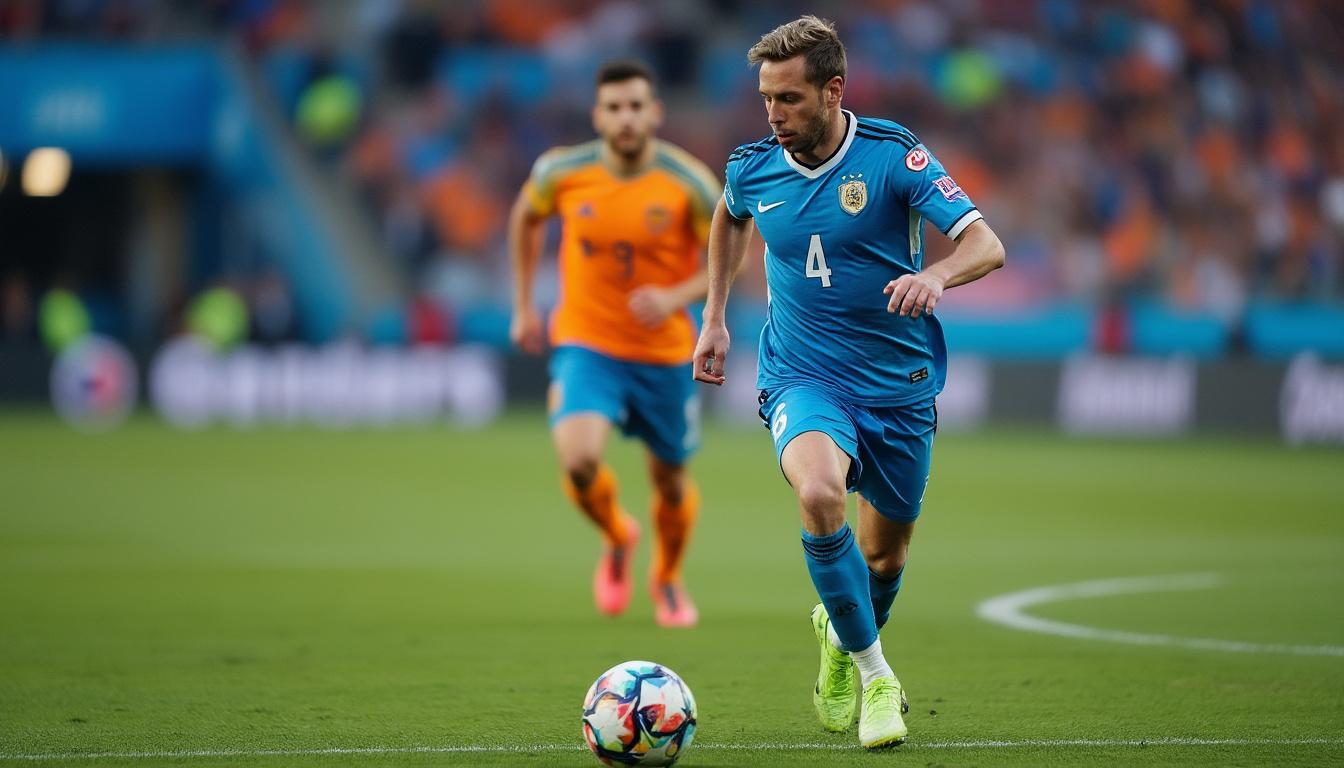
The opening group matches on December 22, 2025, mark the thrilling kickoff of AFCON 2025, where the continent’s finest football nations pour their heart into every attack, tackle, and goal. Set against Morocco’s vibrant stadiums, this day is more than just fixtures—it is a clash of talent, tactics, and pride that will define the tournament’s early rhythms. As teams from traditional giants to emerging contenders face off, performance analytics provide a riveting lens to decode who might surge forward and who must battle to persevere. The clash of styles, player matchups, and evolving strategies unfold in a pulsating atmosphere, charged by fervent fans chanting for glory.
AFCON 2025 assembles 24 teams into tightly contested groups where every pass and possession percentage could tilt the balance. The December 22 matches are crucial for setting early momentum, revealing tactical intentions, and spotlighting invaluable player contributions. Understanding team performance through data isn’t just for analysts—it’s a way for fans to immerse deeply and anticipate the drama that will cascade through group stages and beyond. With Morocco leading the charge fueled by home advantage, alongside powerhouse squads like Senegal and Egypt, the stage is set for a breathtaking display of African football mastery.
In brief:
- December 22 opening matches kick off the group stage with headline clashes.
- Morocco leads in 2025 wins, showcasing potent form bolstered by tactical possession play.
- Performance analytics illuminate possession, pressing, and transition strategies.
- Hybrid defensive systems and pressing triggers shape match analysis.
- Rapid transitions and wide attacks emerge as key tactics for contenders.
- Data-driven insights sharpen team performance and tactical adjustments.
- Upcoming group stage battles promise intense, tactical encounters impacting tournament progression.
Performance Analytics Highlighting AFCON Contenders’ Form Entering December 22 Group Matches
The buildup to the December 22 opening group matches presents a rich canvas of performance analytics revealing the current form of AFCON contenders. Morocco stands tall with a formidable 12 wins in 2025, an impressive feat among African nations that demonstrates consistency and momentum. Supporting this dominance is a tactical approach that blends controlled possession with high pressing—a combination perfectly suited to the pressures of tournament football on home soil.
Senegal, just behind Morocco with 10 wins, exemplifies balance and resilience. The Lions of Teranga have navigated competitive fixtures by deploying a disciplined midfield pivot paired with forward-supporting wing-backs, creating a formidable structure that balances attack and defense. This tactical blueprint was clearly evident in their preparation matches, capturing the attention of analysts who highlight their ability to maintain possession under pressure while launching incisive attacks.
Egypt, another AFCON heavyweight, has displayed tactical versatility with a hybrid defensive system that shifts fluidly between formations. Their pressing strategy combines high-energy triggers with zone fouling and blocking, disrupting opposition build-up while conserving defensive solidity. December preparatory fixtures reveal Egypt’s increasing reliance on mobile full-backs and a disciplined midfield shield, critical elements in their pursuit of reclaiming continental glory.
These performance trends are reflective not only in raw win-loss records but also underlying statistics such as possession percentages and passing accuracies. Morocco’s average possession sits around 63% with 89% pass accuracy, underscoring their methodical, patient build-up play from the back. Senegal’s 59% possession with solid transitional speed emphasizes their balanced strategy, while Egypt’s 57% possession paired with creative midfield runners signals their blend of control and threat.
Fans craving detailed insights can explore how performance analytics reveal these nuances, bringing a sharper edge to understanding who truly looks prepared to dominate the group stage. These statistics set the foundation for December 22’s opening matches, where tactical sophistication meets raw passion under the African sun.
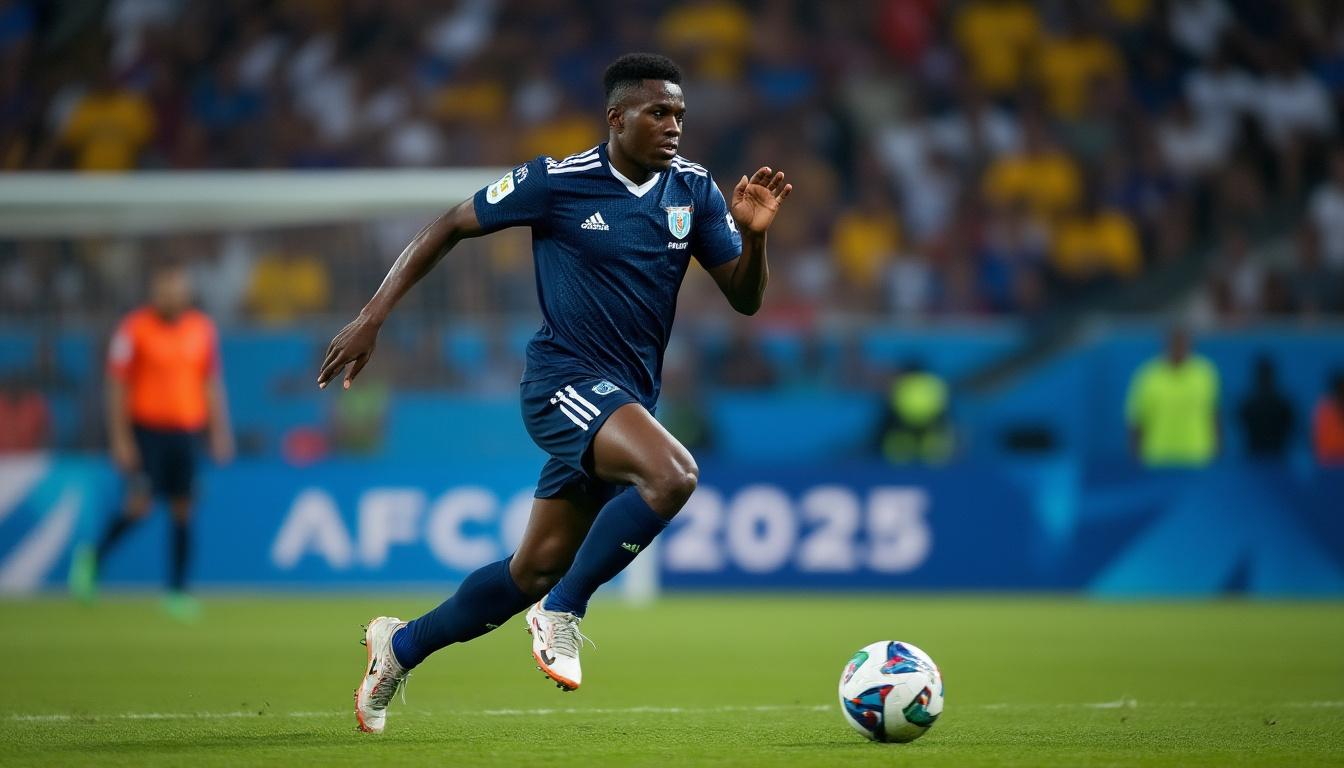
Possession and Build-Up Play Define New Tactical Era Among AFCON 2025 Contenders
One of the defining tactical narratives emerging ahead of and during the opening group matches on December 22 is the emphasis on controlled possession and elaborate build-up play. This strategic paradigm shift reflects African teams’ growing football intelligence and acceptance of globally recognized principles combined with their own stylistic flair.
Historically, many African sides leaned on explosive counter-attacks and physicality. However, AFCON 2025 contenders like Morocco and Senegal showcase a more measured, possession-based approach. Morocco’s style revolves around weaving intricate passing sequences starting from the goalkeeper and center-backs, creating multiple phases before penetrating opposition defenses. Such patience in build-up is not just a tactic but an expression of tactical maturity demanding high football IQ and composure under pressure.
Senegal’s midfielders and full-backs contribute significantly to maintaining possession balance and quick transitions. Their approach strikes a harmonious chord between possession control and opportunistic breaks, emphasizing versatility without compromising defensive shape. Egypt’s possession game, while slightly lower in average ball control, incorporates dynamic forward runners in wide channels, blending stability with a direct attacking threat.
This tactical sophistication requires players in key roles to adapt beyond traditional boundaries. Ball-playing center-backs assume creative responsibilities, often stepping into midfield to unlock defenses through progressive passes. Full-backs evolve into dual-role assets, defending stoutly while providing width and offensive support. Midfielders dictate tempo with precision, ensuring fluidity and sharpness as attacking opportunities arise.
The impact extends beyond pure aesthetics. Possession-centered teams reduce risky turnovers, minimizing exposure to devastating counters—a lesson African teams have incorporated after past tournament disappointments. Morocco’s recent December matches evidenced their ability to control tempo, causing opponents to commit errors borne from frustration. Senegal and Egypt’s performances mirror this control-focused mindset, positioning possession as the foundation of tournament success.
| Team | Average Possession % | Pass Accuracy % | Build-Up Style | Key Player Roles |
|---|---|---|---|---|
| Morocco | 63% | 89% | Methodical, patient build-up from keeper and defenders | Ball-playing centre-backs, creative midfielders, attacking full-backs |
| Senegal | 59% | 85% | Balanced possession with fast transitions | Disciplined midfield pivot, forward-supporting wing-backs |
| Egypt | 57% | 87% | Possession with direct threat in midfield | Playmaking midfielders, forward runners in wide channels |
Readers eager for a broader football context may also find value in exploring the trending discussion around possession and pressing tactics in Europe, helping fans appreciate the global impact on African football evolution and the tactical depth on display during the December 22 group stage matches.
Examples of Possession Impact in Recent Preparatory Matches
During a December 2025 friendly, Morocco demonstrated relentless ball circulation that disrupted Tunisia’s defensive setup, leading to multiple goal-scoring opportunities from patient build-up. Senegal’s midfield orchestrated possession against Nigeria with rapid yet measured passing that opened defensive gaps and maintained momentum throughout the game. Egypt’s hybrid approach combining possession control with selective direct plays destabilized South Africa, illustrating their tactical flexibility.
This evolution is more than a trend; it’s a statement that AFCON contenders are embracing football as a chess game—measured, intelligent, and beautiful.
Hybrid Defensive Systems and Pressing Tactics Shaping Opening Day Strategies
As the opening matches of AFCON 2025 unfold on December 22, one can witness the rise of hybrid defensive structures and nuanced pressing tactics that redefine African defensive football. Gone are the days of rigid back-lines; today’s teams apply dynamic, adaptive formations that fluidly move between three and four-man defenses, often within the same match or even a single possession phase.
Teams like Egypt and Morocco showcase these hybrid defenses. Egypt manages to switch between 3-4-3 and 4-3-3 formations based on the phase of play, allowing for intense, zone pressing combined with compact defensive blocks. Their pressing strategy involves triggers that force opponents into specific zones where pressure can be most effective. Morocco favors a high press but smartly retreats into defensive blocks, balancing aggression with caution.
Senegal’s defensive flexibility is showcased in their ability to switch between 3-5-2 and 4-4-2 contingencies depending on game dynamics. Wing-backs become pivotal, providing defensive cover and offensive width, ensuring the team stays compact without sacrificing forward momentum.
The benefits of these approaches lie in unpredictability and adaptability. Opponents find it difficult to exploit spaces because these systems morph in real-time, supported by intense communication and tactical discipline. Such mental agility separates frontrunners from also-rans in tightly contested group stages.
| Team | Defensive Formation | Pressing Style | Key Defensive Roles | Example Match |
|---|---|---|---|---|
| Egypt | 3-4-3 / 4-3-3 transitions | Hybrid press with zone fouling and blocking | Mobile full-backs, disciplined midfield shield | December 2025 vs. South Africa |
| Morocco | Primarily 4-2-3-1 with occasional back 3 | High press with fallback defensive blocks | Pressing forwards, ball-winning defensive midfielders | Friendly vs. Tunisia December 2025 |
| Senegal | 3-5-2 / 4-4-2 flexibility | Selective pressing with fast recovery | Wing-backs providing pressing support | December 2025 vs. Nigeria |
The ability to manage pressing triggers effectively ensures teams can disrupt opposition without exposing fatal gaps, a balance vital to navigating the compact schedules and high stakes of AFCON’s group stage. For fans keen on a deeper dive into defensive issues under pressure, resources analyzing defensive errors and pressing in modern football offer valuable parallels and contrasts.
Explosiveness of Rapid Transitions and Wide Attacks in December 22 Group Stage Battles
Rapid transitions and wide attacking plays remain innate to the African football spirit but have been refined in preparation for AFCON 2025. December matches leading up to and including those starting on December 22 reveal how teams harness speed and width to unbalance opponents and create scoring chances.
Côte d’Ivoire and Nigeria exemplify this approach with lightning-fast breaks and extensive use of wide players who stretch defensive lines horizontally. These strategies depend heavily on exceptional conditioning and synchronized team movements. The emphasis on swift role-switching—where midfielders alternate between defense and attack fluidly—injects unpredictability and dynamism in offensive phases.
The wide players serve as catalysts, not just by dribbling or crossing, but by initiating overloads, pulling defenders out of position and creating exploitable spaces for late runners. Against intense pressing sides, these transitions become survival tools and momentum changers.
This tactical trait is increasingly a key differentiator in the group stage, promising fans a spectacle of speed fused with precision. As the tournament progresses, teams mastering these rapid transitions will gain vital edges.
| Team | Transition Speed Rating (out of 10) | Use of Width | Tactical Focus | Preparation Match Highlight |
|---|---|---|---|---|
| Côte d’Ivoire | 8.8 | Extensive use of wide forwards and overlapping backs | Rapid breaking and multi-forward runs | Friendly vs. Cameroon December 2025 |
| Nigeria | 8.5 | Wide counter-attacks with quick overlaps | Fast breaks and early crosses emphasis | Match vs. Tunisia December 2025 |
| Gabon | 7.9 | Moderate width, more central play | Balanced transition, cautious wing use | Match against Mozambique December 2025 |
Those interested in the nuances of tactical shifts leading into this tournament can also consult detailed breakdowns about tactical analytics and adjustments which help contextualize how such transitions reshape team dynamics.
How Data and Advanced Analytics Shape Tactical Trends During AFCON 2025 Group Stage Opener
The less visible but game-changing element behind December 22’s opening matches is the integration of data analytics shaping tactical decisions. African national teams increasingly harness player tracking, video analysis, and real-time performance metrics to fine-tune strategies, player rotations, and pressing systems.
Analytics enable coaches to identify precise pressing windows, optimize substitution timings, and monitor individual workload to preserve freshness throughout the tournament’s intense schedule. This scientific approach turns raw athleticism into orchestrated efficiency, reducing errors and maximizing tactical impact.
Morocco’s approach reflects high analytics usage, particularly to manage pressing triggers and balance stamina, ensuring their high-intensity style remains sustainable during grueling group battles. Senegal incorporates detailed video analysis of opponents, adapting tactics dynamically while managing player rotations to keep legs fresh. Nigeria uses positional heatmaps and set-piece data to enhance attacking threat and defensive organization.
| Team | Analytics Intensity | Focus Areas | Tactical Impact | Example Use |
|---|---|---|---|---|
| Morocco | High | Pressing triggers, substitution patterns, load management | Efficient pressing with conserved stamina | Pre-match Tactical Review Dec 2025 vs. Egypt |
| Senegal | Moderate | Opponent video analysis, rotation planning | Targeted tactical adjustments, fresh legs late | Friendlies Dec 2025 vs. Ghana |
| Nigeria | Increasing | Set-piece analysis, heatmap utilization | Sharper dead ball execution and formation tweaks | Preparation game Dec 2025 vs. Tunisia |
These data-driven insights elevate match analysis from pure observation to predictive and adaptive techniques. Fans can immerse themselves even further by exploring resources that link to broader football analytics trends like those seen in European contests documented at football data during the European season.
Which teams show the strongest form entering AFCON 2025 opening matches?
Morocco leads with most wins, followed by Senegal and Egypt, all demonstrating tactical and physical readiness as evidenced in December football statistics.
How important is possession football in these group stage matches?
Possession and build-up play form the tactical backbone for many contenders, as it ensures control, reduces errors, and creates high-quality attacking chances.
What role do pressing tactics play in the tournament preview?
Teams use hybrid pressing methods to disrupt opponents selectively without sacrificing defensive solidity, a key factor in December preparation games shaping their matchday performance.
How are rapid transitions and wide attacks influencing game outcomes?
These tactics harness speed and width to unbalance defenses, with teams like Côte d’Ivoire and Nigeria excelling in fast breaks leading to scoring opportunities.
In what ways does data analytics improve team performance during AFCON 2025?
Data helps optimize pressing, player workload, substitutions, and defensive organization, enabling adaptive tactics and heightened matchday efficiency.