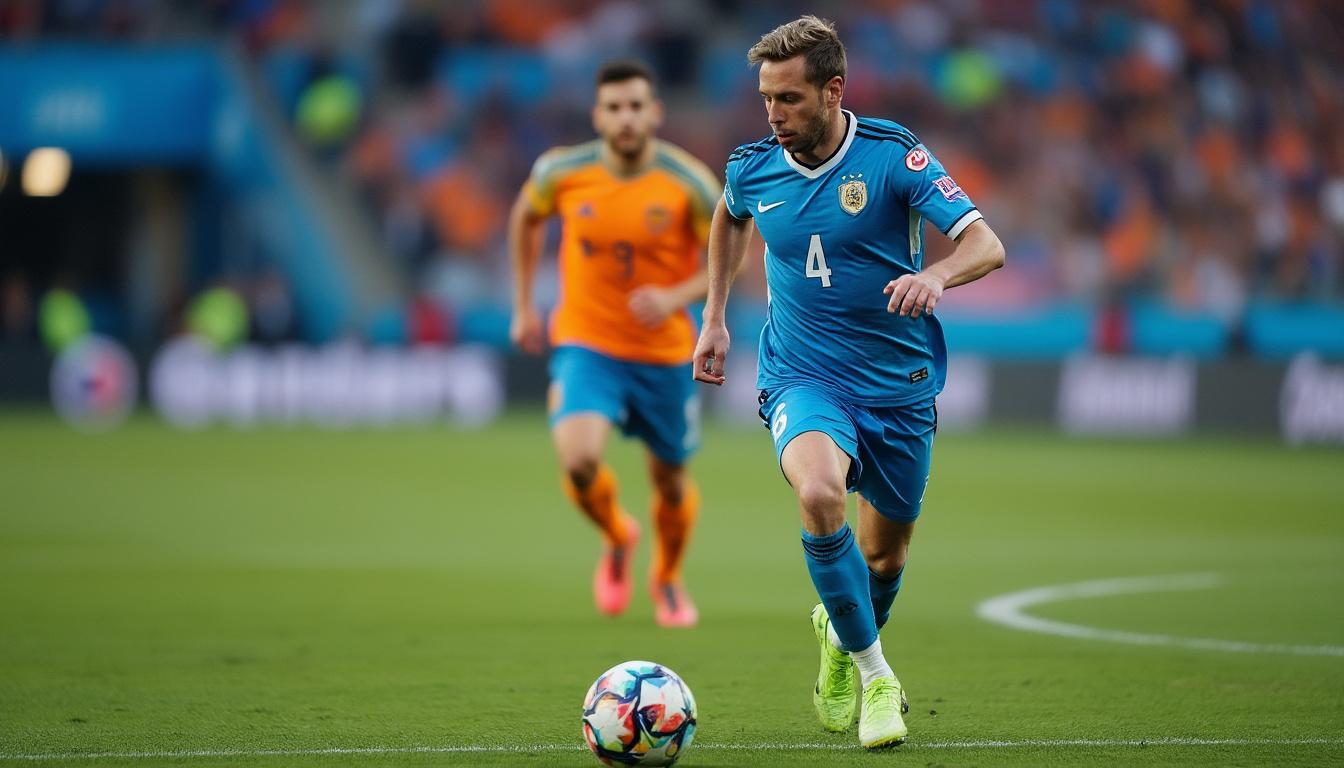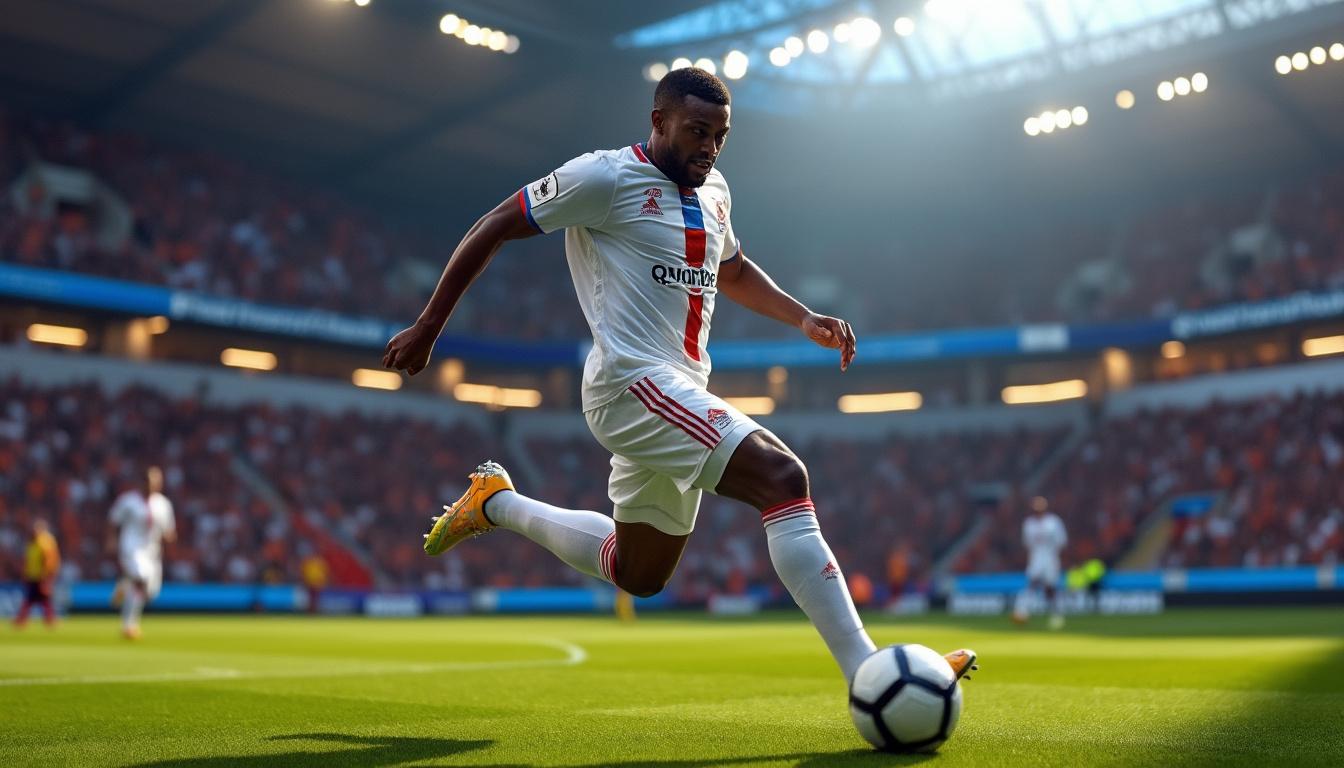
As anticipation builds with just weeks remaining before the kickoff of AFCON 2025, the stage is set for an electrifying football spectacle. This 35th edition of the African Cup of Nations promises not only the usual fervor of the continent’s premier tournament but a showcase of emerging trends revealed by detailed football analytics. The group stage, often a crucible where hopeful teams either forge their legacy or face early exits, now gleams with statistical clues pointing to rising contenders ready to challenge the established hierarchy. With tactical nuances, player form fluctuations, and historic data coalescing into vivid narratives, fans and analysts alike watch keenly, eager to see which teams will harness these early indicators to power deep runs in Morocco’s passionate football cauldron.
Key takeaways:
- Morocco harnesses home advantage, making them a prime favorite with solid tactical discipline.
- Senegal, Egypt, and Côte d’Ivoire present formidable squads combining experience and raw talent.
- Group stage matchups promise intense rivalries shaping tournament dynamics.
- Advanced football analytics spotlight teams demonstrating upward trajectories through recent match statistics and player form assessments.
- AI-driven insights assist fans and pundits in unraveling likely scenarios and key match moments before the whistle.
Morocco’s Tactical Edge and Home Advantage: Statistical Trends Painting a Title Contender
Morocco stands on the precipice of glory as AFCON 2025 approaches, buoyed by more than just the roar of home supporters. Football analytics underline the team’s exceptional balance between defensive solidity and offensive creativity. Statistical trends depict a squad demonstrating high passing accuracy rates and controlling possession in critical matches leading to AFCON. This tactical discipline, combined with an assertive approach on set pieces, situates Morocco as a prime candidate to lift the coveted trophy on home soil.
Recent match statistics reveal Morocco’s strength in maintaining clean sheets, an attribute often correlated with championship-winning campaigns. The team’s ability to disrupt opponents’ rhythm—measured through key defensive metrics such as interceptions and tackles per game—has improved drastically. This upward trend signals a defense capable of standing tall against powerhouse rivals.
Importantly, the psychological uplift from playing at Morocco’s iconic stadiums cannot be overstated. Fans contribute not only atmosphere but the critical energy that fuels players during pressure moments. The home advantage could prove decisive during the group stage’s intense clashes, where every point counts.
Additionally, Moroccan players emerging as tactical leaders showcase top fitness levels and form, underpinning their readiness. Central midfielders exhibit remarkable control and vision in recent games, indicating a midfield engine primed to dictate tempo and transition plays smoothly from defense to attack. Supporting this, strikers have been finding a clinical edge, maintaining a strong goals-to-shots ratio—a key factor in breaking tough defenses.
This cocktail of elements—solid defense, tactical mastery, and motivated fan support—paints Morocco as a frontrunner, combining both traditional strengths and modern football analytics to fuel a campaign that could ignite national euphoria in December.

Emerging Powerhouses: Senegal, Egypt, and Côte d’Ivoire Poised for AFCON 2025 Glory
The African football landscape is rich with historic giants, but AFCON 2025’s statistical trends emphasize the ascent of classic powerhouses backed by fresh energy and evolving tactics. Senegal, Egypt, and Côte d’Ivoire have shown compelling signs of rising form entering the group stage.
Senegal’s squad boasts athleticism and collective discipline, demonstrated by match analytics highlighting their speed in counterattacks and efficiency converting scoring opportunities. AI-driven predictions identify their forward line as particularly lethal, with player form peaking at the ideal time. The team’s defensive organization shows marked improvement over previous campaigns, making Senegal a balanced force capable of navigating the group stage’s rigors.
Egypt, steeped in footballing history, leverages experience and tactical versatility. Recent match statistics underline their midfield’s creativity and ability to control match tempo. Egypt’s veteran players synergize effectively with emerging talent, creating unpredictable attacking patterns that opponents find hard to anticipate. Additionally, goalkeeper save percentages and shot-stopping statistics point to a reliable last line of defense, a cornerstone for any championship bid.
Côte d’Ivoire’s blend of seasoned leadership and youthful exuberance shines through football analytics detailing their aggressive pressing style and goal conversion rates. The squad’s synergy is palpable, with midfielders exhibiting high work rate and tactical adaptability. Enhanced player fitness levels and standout performances in warm-up games suggest Côte d’Ivoire enters the tournament in prime condition.
Each nation brings nuanced strengths supported by evolving football analytics, including advanced player tracking and real-time match statistics, guiding coaching decisions and strategizing for the high-pressure group stage. Fans can look forward to thrilling encounters where these rising contenders seek to rewrite the AFCON narrative.
Dissecting the Group Stage: Key Fixtures and Statistical Forecasts Shaping AFCON 2025
With six groups featuring four teams each, the AFCON 2025 group stage is a masterclass in competitive balance and unpredictability. Comprehensive football analytics unravel match statistics showing which teams are poised for breakthroughs and which may encounter stumbling blocks.
| Group | Teams | Notable Statistical Advantage |
|---|---|---|
| A | Morocco, Mali, Zambia, Comoros | Morocco’s home dominance and Mali’s improving defensive record |
| B | Egypt, South Africa, Angola, Zimbabwe | Egypt’s midfield control and South Africa’s sharp counterattacks |
| C | Nigeria, Tunisia, Uganda, Tanzania | Nigeria’s attacking power and Tunisia’s disciplined defense |
| D | Senegal, DR Congo, Benin, Botswana | Senegal’s balanced form and DR Congo’s physicality |
| E | Algeria, Burkina Faso, Equatorial Guinea, Sudan | Algeria’s possession stats and Burkina Faso’s resilience |
| F | Côte d’Ivoire, Cameroon, Gabon, Mozambique | Côte d’Ivoire’s pressing and Cameroon’s experience |
These match statistics underline the intricate tactical battles on the horizon. The tactical chess games will underscore team performance in key moments, where one decisive goal or defensive lapse could alter the group standings entirely. Football analytics provide fans with deep insights into formations expected, pressing intensity, and player form, all of which are instrumental in predicting possible outcomes. The stakes in these matches elevate the tournament intensity from day one, with rising contenders eager to prove their mettle against seasoned rivals.
Warm-up clashes ahead of the tournament have further refined these statistical forecasts. Enthusiasts can delve into detailed analyses and match reports from these preparatory games at AFCON 2025 Warmup Clashes, where crucial patterns emerged, feeding into wider expectations for the group stage showdowns.
AI-Powered Insights: Revolutionizing Football Analytics for AFCON 2025 Predictions
Artificial intelligence is reshaping how football fans and experts engage with tournaments, and AFCON 2025 benefits from full integration of these cutting-edge tools. AI models analyze vast datasets — from player tracking and real-time match statistics to historical trends — offering granular tournament insights that go beyond traditional scouting reports.
Through football analytics platforms equipped with machine learning, predictions now factor in player form fluctuations, team chemistry, and even psychological resilience. Teams such as Morocco, Senegal, Egypt, and Côte d’Ivoire have emerged as statistically robust contenders, highlighted consistently by AI scoring models considering factors such as goal expectancy, defensive stability indices, and stamina metrics.
This tech-driven approach fosters a new dimension of fan engagement, with insights enabling supporters to appreciate the subtle tactical battles and individual brilliance during each fixture. It transitions football from a game of chance to one where measured team performance signals can be decoded in real-time, preparing fans for moments of magic or heartbreak before they unfold on the pitch.
Football enthusiasts eager to ride the wave of AFCON 2025 excitement can explore travel opportunities to Morocco and immerse themselves in the heart of the action at afrikeye.com’s travel arrangements, ensuring an unforgettable tournament experience.
Rising Stars and Tactical Innovations: Unfolding Player Form and Team Strategies
The African Cup of Nations has long been a launchpad for new talents and tactical experimentation. AFCON 2025’s early statistical trends reveal a fascinating evolution in playing styles, with teams adopting more dynamic, flexible formations that respond to player strengths and opponent weaknesses.
Player form tracking indicates emerging stars within every group—young forwards converting chances at a remarkable rate, midfield maestros orchestrating rapid transitions, and defenders whose aerial dominance reshapes defensive lines. These rising stars embody the tournament’s spirit and potential for unforgettable moments.
Teams are increasingly leveraging data to optimize substitutions, manage player fitness, and tailor defensive schemes against prolific attackers. For instance, Nigeria’s attacking prowess is bolstered by wide players capable of stretching defenses, while Tunisia’s famously disciplined backline operates on precise positioning metrics driven by statistical analysis.
- Dynamic formations adapting in-game to exploit vulnerabilities
- Player fitness management informed by cutting-edge physiological data
- Enhanced set-piece strategies refined by statistical breakdowns
- Midfield control emphasis to dictate pace and possession
- Goalkeeper performance analytics sharpening shot-stopping abilities
This embrace of football analytics elevates each match beyond mere competition into a Showcase of strategy and sensation, where rising contenders sharpen their edge and surprise the continent with blistering displays of skill and determination.
Which teams are considered favorites to win AFCON 2025?
Morocco, leveraging home advantage and tactical discipline, along with Senegal, Egypt, and Côte d’Ivoire, who bring a blend of experience and rising talent, are top contenders according to statistical trends and expert analyses.
How does football analytics influence AFCON predictions?
Football analytics utilize detailed match and player data, including possession statistics, player form, and pressing intensity, to forecast team performance and likely outcomes, giving fans and coaches a deeper understanding of match dynamics.
What role do warm-up matches play before the group stage?
Warm-up matches offer critical insights into team readiness, allowing analysts to assess player form, tactical adjustments, and overall team chemistry, which help refine predictions for the upcoming group stage clashes.
Are there any new tactical trends emerging for AFCON 2025?
Teams are increasingly adopting dynamic, fluid formations and focusing on data-driven fitness and set-piece strategies, all designed to maximize player form and exploit opponent weaknesses during matches.
Where can fans follow detailed AFCON 2025 statistics and analysis?
Fans can find thorough match statistics, player form updates, and expert commentary on platforms like football-streaming.net, as well as tuning into AI-powered analytical content to stay ahead of the tournament action.