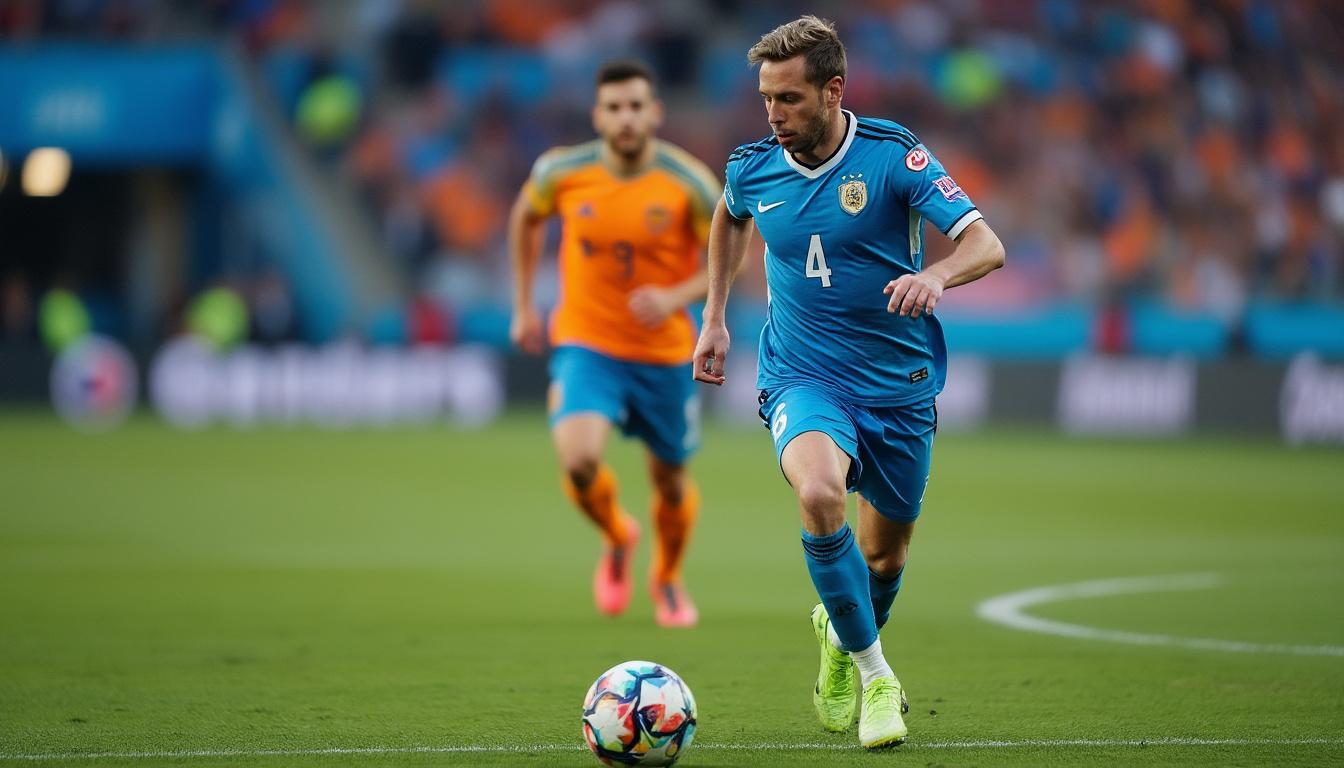
December 2025 reveals a vivid picture of evolution on the football pitch where top clubs and national teams alike are redefining their tactical approaches to wrest every advantage from an increasingly competitive landscape. The landscape bristles with intense rivalries, and every minute adjustment to formations or pressing styles can determine whether a team rises or falls in crucial moments. As the beautiful game embraces high-tech sports data combined with keen opponent analysis, squads are finely tuning their game plans—leveraging performance metrics and situational awareness like never before.
The power of tactical analytics is reshaping how coaches prepare their sides for the challenges they face. Today’s adjustments aren’t just about switching from a 4-4-2 to a 3-5-2; they dive deep into subtle shifts in positional play, player roles, and transitional dynamics. Teams employ advanced match analysis tools that merge physical data with opponent tendencies, informing bespoke game plans intended to exploit weak spots or blunt attacking threats. As a result, the flow of matches becomes a chess game of calculated moves and countermoves — each side responding innovatively to the evolving match conditions.
Key takeaways on how top teams are unlocking their potential via system tweaks in 2025:
- Dynamic formation flexibility: Switching systems fluidly mid-match to adapt to opponents’ strategies.
- Enhanced opponent analysis: Using data to anticipate and neutralize opposition threats before they materialize on the field.
- Refined pressing systems and transitions: Tactical adaptations emphasize rapid counter-pressing and positional compactness to suffocate attacking flow.
- Utilization of performance metrics: Coaches track physical exertion, heatmaps, and pass completion to tailor player deployment.
- Integration of new tactical technologies: Augmented reality and AI-driven tools contributing to second-by-second game plan optimization.
Revolutionizing Football Strategy Through Tactical Analytics in December 2025
Football is no longer just a battle of skill and passion—it’s also an arena of scientific calculation and data-fueled adjustments. Today, tactical analytics reign supreme as the decisive factor shaping how top-tier sides calibrate their systems. From domestic leagues like Serie A to the high-stakes matchups in the Champions League, every top coach leverages cutting-edge sports data to sculpt tactical plans that are razor-sharp and tailored for the exact opposition.
For example, tactical analytics enables teams to analyze opponent patterns such as typical buildup plays, preferred attack corridors, and defensive weaknesses under specific pressures. Such insights lead to a systematic overhaul in game plans tailored for effectiveness on a granular level. This next-gen analytical approach is demonstrated in recent fixtures, including riveting clashes detailed on UEFA Euro 2025 qualifiers and the ongoing Champions League campaigns captured in xG analytics reports.
Core concepts such as positional rotations, spatial compression, and pressing triggers are quantified and perfected through constant feedback loops between video analysis and physical sensors. Teams no longer guess when to press—they know precisely when and where pressure yields maximum results.
- Scenario-based tactical simulations: Using historical data to model opponent reactions and pre-plan contingencies.
- Real-time tactical shifts: Coaches adjust formations and player assignments dynamically following sensory input.
- Statistical breakdowns: Key metrics such as possession turning zones and expected goal (xG) movements inform both attack and defense.
- Energy load management: Player physical data helps manage stamina and timing of substitutions for maximal output.
| Analytic Focus | Example Application | Resulting Tactical Adjustment |
|---|---|---|
| Opponent Pressing Tendencies | Identify vulnerability on left flank under high press | Deploy fast winger for overloads in transition |
| Heatmap Analysis of Key Playmakers | Playmaker favors wide right half-space | Assign stronger defensive midfielder to congest area |
| Physical Exertion Tracking | Midfielders tire significantly after 60 mins | Substitute fresher energy for press maintenance |
For fans passionate about match analysis, detailed performance breakdowns from recent fixtures offer insight into these evolving tactical landscapes; resources like performance analytics for teams provide a treasure trove of contemporary data. This information not only heightens anticipation but makes every game an immersive experience of strategic depth.

System Adjustments: How Top Teams Adapt Formations and Playing Styles in Real-Time
Modern football’s heartbeat pulses with the mastery of system adjustments. The 2025 season illustrates that squads are moving beyond rigid formations into fluid tactical ecosystems. Coaches making those adjustments ensure their teams flow organically between shapes—be it a 4-3-3, 3-4-3, or even hybrid formats—depending on match tempo, opposition strengths, and evolving in-game scenarios.
A telling example comes from the latest Serie A campaign where tactical transformations during matches yield key advantages. Clashes like those previewed on Serie A 2025 predictions frequently highlight how managers unlock new dimensions by switching defensive blocks or tweaking pressing angles on the fly. This adaptability often fluctuates between a high-press counter-attacking style to a deep, possession-based approach optimized for control and calculated advances.
- Use of half-spaces and overloads: Teams manipulate spaces between lines for attacking angles.
- Shifting central midfield roles: Switching between double pivots and single destroyers based on opposition setup.
- Dynamic wing-backs deployment: Offering both width and defensive cover in rapid transitions.
- Mid-game system morphing: Tactical recalibration responding to match events like red cards or injuries.
Moreover, tactical adaptation isn’t one-sided; it demands players with tactical intelligence capable of interpreting instructions fluidly in high-pressure contexts. This symbiotic exchange between coach’s intentions and player reactions elevates team cohesion and unpredictability.
| Adjustment Type | Situation | Effect |
|---|---|---|
| From 4-2-3-1 to 3-4-3 | Trailing with 20 minutes left | More attacking players on field, increased forward runs |
| Midfield double pivot to single holding | Defending a lead late in game | Compact defensive shape, tighter marking in midfield |
| Wingbacks push higher | Ball possession in attacking third | Stretch defensive lines, create crossing opportunities |
Such system adjustments serve as high-impact tools that enhance control, confuse opponents, and ultimately shape the tempo of football matches. Online previews and detailed match reports like match preview: best clubs in the world illustrate how these subtle shifts are central to contemporary football’s thrill and unpredictability.
The Tactical Chessboard: Opponent Analysis and Tactical Adaptation in High-Stakes Matches
The essence of tactical excellence lies in intimately knowing the opponent’s machinery and exploiting its vulnerabilities. The rigor of opponent analysis is a pillar in the 2025 tactical landscape, with teams utilizing multi-layered sports data ranging from player heatmaps and passing networks to expected goals models. This wealth of intelligence feeds a continuous tactical adaptation process, fine-tuning strategy in pre-game and during play.
Elite sides dissect rival tendencies down to micro-moments – how they build from the back under pressure, where their key creators thrive, or which patterns indicate shift into attack. One vivid case stems from the recent Champions League Group stages where games like PSG versus Tottenham displayed how real-time tactical adjustments based on opponent weaknesses dramatically swayed outcomes.
- Exploiting transitional vulnerabilities: Targeting slow defensive reset phases for quick counters.
- Neutralizing key players: Assigning shadow markers or double-teaming playmakers.
- Pressure mapping: Constantly adjusting pressing intensity and direction based on location of ball.
- Set-piece variations: Custom schemes keyed to opponent’s defensive setups.
| Opponent Trait | Observed Tendency | Tactical Adjustment |
|---|---|---|
| Slow Defense Reset | Plays often caught transitioning late | Quick forward passes and aggressive counter-press |
| Wide Playmaker Reliance | Right flank dominance | Dense defensive midfield block on right half |
| Susceptible Set-Piece Defense | Height mismatches in corners | Targeted aerial marking and zonal assignments |
By weaving opponent insights directly into their tactical fabric, teams forge a proactive stance rather than reactive responses. Fans eager to watch these battle-of-wits unfold can monitor upcoming clashes through resources like football schedule December 2025 to catch moments where tactical mastery takes center stage.
Leveraging Performance Metrics to Elevate Team Tactics and Individual Output
Performance metrics have cemented themselves as an indelible part of tactical annotations, allowing coaches to translate raw physical and technical data into tactical gold. Today’s analytical suites provide a spectrum of insights: from distance covered and sprint bursts, to pass completion rates under pressure and defensive interception statistics. These metrics inform training loads, positional adjustments, and often spark last-minute tactical tweaks that can impact match results.
Teams meticulously monitor player exertion to prevent burnout, optimize substitutions, and tweak pressing schemes. For instance, high-intensity pressing requires specific physical bursts which are sustainable only if substitutions are timed perfectly. Besides physical data, tactical teams rely heavily on offensive performance indicators such as goal conversion rates to assess attacking efficiency, ultimately refining team shape and build-up play.
- Energy management strategies: Using biometric data to optimize player rotations and rest.
- Pressure release tactics: Adjusting pressing intensity when players show signs of fatigue.
- Pass network analysis: Identifying over-reliance on certain channels to diversify attacks.
- Defensive vulnerability fixes: Studying interception and tackle success rates to plug gaps.
| Metric | Use Case | Outcome |
|---|---|---|
| Sprint Bursts per Game | Adjust player workload during matches | Maintain high pressing intensity |
| Pass Completion % Under Pressure | Track ball control efficiency | Improve build-up play fluidity |
| Goal Conversion Rate | Evaluate strikers’ finishing form | Tactical shifts to encourage high quality chances |
Resources that break down these performance analytics in detail continue to grow on sites like performance analytics teams, where enthusiasts can deep-dive into how these numbers narrate stories of triumph and heartbreak alike in the 2025 football season.
Emerging Trends: Futuristic Tactical Adaptations and System Innovations
The final frontier in system adjustments in 2025 lies at the intersection of tech innovation and football craftsmanship. Clubs and national teams now experiment with new tactical elements powered by AI-driven decision-support tools and augmented reality overlays that help visualize potential movements and pressure points instantaneously. These futuristic tools limit human error and forecast opponent moves in real-time, allowing rapid tactical adaptation before and during matches.
Consider the recent use of advanced AR analytics in evaluating formation shifts, where coaches receive live feedback on spatial trends and predicted passing lanes during matches. This emerging tech has shown promise in experiments documented on platforms discussing Amazon AR Prime Vision analytics, reflecting how data and glasses converge to elevate tactical execution.
- AI-assisted tactical platforms: Algorithmic advice on optimal player positioning and pressing schemes.
- Augmented matchday coaching aids: Real-time overlays of opponent formations and risk zones.
- Virtual training environments: Simulations for tactical rehearsals and scenario planning beyond the traditional whiteboard.
- Predictive opponent behavior modeling: Anticipating opponent’s next move for defensive and offensive planning.
| Innovation | Description | Impact on Tactics |
|---|---|---|
| AI Tactical Advisor | Suggests optimal formations based on real-time data | Allows instant mid-game system changes |
| AR Tactical Overlays | Visualizes opponent heatmaps and pressure zones live | Enhances coach decision making speed |
| Virtual Reality Simulations | Prepares players for tactical scenarios | Improves real-match decision speed |
For those following the rapid evolution of tactical football in 2025, staying updated through upcoming football match calendars like football schedule December 2025 is crucial to witness how these system adjustments manifest on the grandest stages.
How do tactical analytics affect team preparations?
Tactical analytics provide coaches detailed insights into opponent patterns, player performances, and key match moments, enabling tailored game plans that enhance strategic effectiveness.
What is the significance of system adjustments during a match?
System adjustments allow teams to adapt their formations and playing styles in response to game developments, optimizing performance and countering opponent strategies.
How crucial is opponent analysis for top football teams?
Opponent analysis uncovers habits and weaknesses of rivals, empowering teams to formulate targeted strategies that increase chances of success in high-pressure matches.
Which performance metrics are most influential in tactical decisions?
Metrics such as sprint bursts, pass completion under pressure, and goal conversion rates are pivotal in assessing player fitness and offensive/defensive efficiency, guiding tactical tweaks.
Are futuristic technologies already impacting football tactics?
Yes, tools involving AI and augmented reality are increasingly integrated into tactical analysis and coaching, offering real-time data visualization and predictive insights that support dynamic system adjustments.