The week from October 20 to 26 in football showcased an electrifying display of goalkeeping skills that fans and analysts won’t soon forget. The spotlight shone on the dynamic metrics of Post-Shot Expected Goals (PSxG) and save percentages, which have redefined how we perceive the final bastion of defense on the pitch. From the Premier League’s high-stakes clashes to La Liga’s tactical battles and incisive Champions League encounters, goalkeepers wore the mantle of heroes, delivering moments of brilliance under pressure. The influx of technology, paired with advancements in data analytics, including detailed radar tools and shot maps, has turned goalkeeper performance into a rich tapestry of quantifiable art and resilience.
Across major leagues, the nuances of shot-stopping went deeper than ever. It’s no longer enough for keepers to simply block shots; their ability to handle post-shot scenarios, indicated by PSxG versus actual goals conceded, paints a much truer picture of their influence on the game. The week’s data unearthed some surprising heroes and exposed vulnerabilities, all while fueling ongoing debates on keeper rankings and transfers. Plus, in an era dominated by brands like Nike, Adidas, Puma, and sporting giants such as Reusch, Uhlsport, and Sells, goalkeepers’ equipment technology continuously evolves to aid this critical role.
Whether it was the acrobatic saves in a Liverpool vs. Manchester United showdown or key stop moments during PSG’s campaign, this period highlighted how goalkeepers can pivot the fate of matches. As the season marches on, fans keenly observe these metrics, which not only thrill but also deepen the understanding and appreciation for those guarding the nets world over.
In brief:
- Post-Shot xG (PSxG) offers a refined lens for evaluating goalkeepers’ shot-stopping impact beyond traditional stats.
- Save percentage remains a critical yet now better contextualized indicator of keeper performance.
- October 20-26 featured standout performances in Premier League, La Liga, and Champions League matches.
- Goalkeeper gear innovations by brands like Under Armour, New Balance, and HO Soccer influence agility and grip.
- Advanced shot maps and radar tools have transformed goalkeeper scouting and analytics.

Understanding Post-Shot Expected Goals: A Revolution in Assessing Goalkeeper Performance
Football fans and analysts alike have traditionally relied on simplistic statistics like the number of saves or clean sheets to evaluate goalkeeper efficacy. However, the introduction of Post-Shot Expected Goals (PSxG) has marked a paradigm shift. PSxG assesses the likelihood that an on-target shot results in a goal, factoring in variables after the ball has left the striker’s foot—shot placement, velocity, and trajectory—measuring difficulty from the keeper’s perspective.
Unlike classic Expected Goals (xG) models that predict the probability of scoring when a shot is taken, PSxG dives deep into the quality and difficulty of each shot after it’s on target. For instance, a goalkeeper facing a PSxG of 0.70 is dealing with a scenario where, on average based on historical data, 70% of such shots would score. If the keeper stops such a shot, their value skyrockets; save percentages alone treat saves uniformly but PSxG adds context on shot difficulty.
This model illuminates the difference between good and extraordinary shot-stoppers. Take a keeper who concedes 30 goals with a cumulative PSxG faced of 35—this goalkeeper has prevented five goals above expectation, marking an exceptional performance. Conversely, goalkeepers matching or scoring worse than their PSxG faced are underperforming under the microscope.
In the past week, this became apparent in the La Liga matchups, with some keepers pulling off saves from shots with post-shot xG values exceeding 0.75, spectacularly influencing results. This intricate lens offers fans an enhanced narrative that links athleticism, positioning, and reflexes with advanced data. Additionally, brands like Reusch and Uhlsport have pioneered gloves tailored to improving grip, influencing these save success rates by giving keepers that edge on tricky shots.
- PSxG clarifies the actual difficulty of saves, contrasting with raw save count.
- Combined with video analysis, coaches can now tailor goalkeeper training.
- Gear technology—such as Puma’s reactive glove designs—enhances shot-stopping capabilities.
- Some goalkeepers now compete on analytics as fiercely as on physical prowess.
- Sports equipment brand innovations directly impact keeper performance metrics.
| Goalkeeper | Shots Faced | Cumulative PSxG | Goals Allowed | Goals Prevented vs PSxG | Save Percentage |
|---|---|---|---|---|---|
| GK A (Premier League) | 45 | 38.2 | 33 | +5.2 | 73.3% |
| GK B (La Liga) | 50 | 45.7 | 49 | -3.3 | 68.0% |
| GK C (Bundesliga) | 40 | 30.5 | 26 | +4.5 | 74.5% |
The evolving landscape of goalkeeper analytics has opened new doors for fans and professionals alike. PSxG doesn’t just add detail. It reshapes how the last line of defense is revered and scrutinized in modern football.
Save Percentage Trends and Key Performers in October’s Crucial Matches
Save percentage, the proportion of shots stopped by a goalkeeper, remains one of the most followed statistics among supporters and pundits. However, interpreting it in isolation can be misleading. A high save percentage is impressive, but it matters hugely what quality shots are faced. During October 20 to 26, save percentages across top leagues revealed compelling narratives when combined with shot quality data.
For instance, in the gripping Liverpool vs. Manchester United encounter, the home goalkeeper displayed a remarkable 78% save rate against a barrage of high-quality attempts, a performance praised in post-match analysis at football-streaming.net. This contrasted sharply with away goalkeepers in other leagues who struggled despite facing fewer shots due to inferior save percentages. The correlation between save percentage and PSxG faced helped decode these performances with nuance.
Brands like Nike and Adidas, which recently launched goalkeeper boots and gloves focused on traction and flexibility, have influenced player comfort and movement, indirectly impacting save rates. These advancements merge technology and athleticism, pushing elite keepers to new heights.
- Save percentage must consider shot difficulty for true analysis.
- Better equipment from Under Armour and New Balance complements goalkeeper agility.
- Mid-season performances offer insights into form and confidence.
- Match-specific contexts affect save rates (e.g., defensive shape).
- Top performers leverage both technique and optimized gear.
| Goalkeeper | Shots on Target | Saves Made | Save Percentage | PSxG Faced |
|---|---|---|---|---|
| GK D (Premier League) | 36 | 28 | 77.8% | 30.1 |
| GK E (La Liga) | 42 | 30 | 71.4% | 37.4 |
| GK F (Serie A) | 38 | 26 | 68.4% | 34.8 |
Tracking save percentage alongside emerging metrics offers deeper insight and balances pure numbers with shot context. Fans and critics can therefore better understand keepers’ true impact in match action.
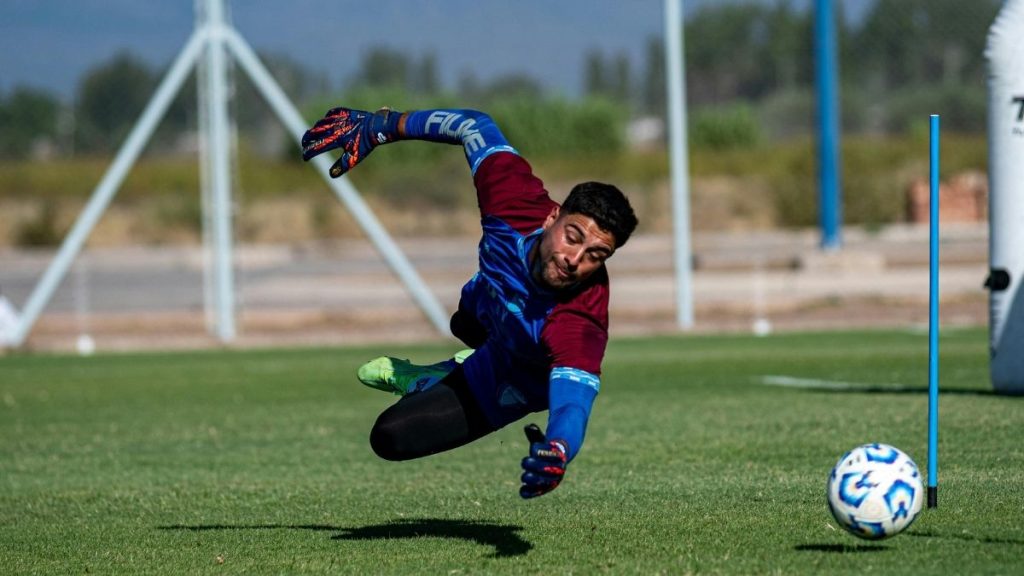
Using Advanced Shot Maps and Radar Tools to Evaluate Goalkeeper Impact
The progression of digital tools has revolutionized how goalkeeper performance is analyzed. Goalkeeper shot maps, supplemented by PSxG values, highlight shot locations, types, and outcomes, drawing a detailed visual narrative of a keeper’s week. Google Maps-style visualizations allow a snapshot of where shots are saved or conceded, adding clarity to the often unseen story behind stats.
For example, in the recent Champions League fixtures, analytics experts have scrutinized heatmaps to demonstrate which goalkeepers dominated their penalty areas or struggled with long-range efforts. Tools available via platforms like Hudl Statsbomb and others provide comparative radars outlining save rates, aerial duel success, and distribution accuracy, all critical in modern football.
- Shot maps display precise save/conceded locations, linking to shot difficulty.
- Radar tools provide multi-dimensional performance between shot-stopping, distribution, and aerial ability.
- Examples abound from clubs like Manchester City using these data layers strategically.
- Enhanced visuals aid coaches in fine-tuning goalkeeper preparation.
- These innovations influence transfer market decisions and scouting methodologies.
| Goalkeeper | Save Rate % | Aerial Duels Won % | Pass Accuracy % | Distribution Success % |
|---|---|---|---|---|
| GK G (La Liga) | 75.2% | 68.5% | 83.0% | 78.5% |
| GK H (Bundesliga) | 72.8% | 64.0% | 85.2% | 82.1% |
| GK I (Premier League) | 74.9% | 69.7% | 81.6% | 79.0% |
Such analytics went beyond shot-stopping, considering their role as playmakers and sweepers—traits critical in modern goalkeepers wearing gear from Sells or Kipsta that emphasizes both protection and mobility. The implications for team tactics and individual training are immense.
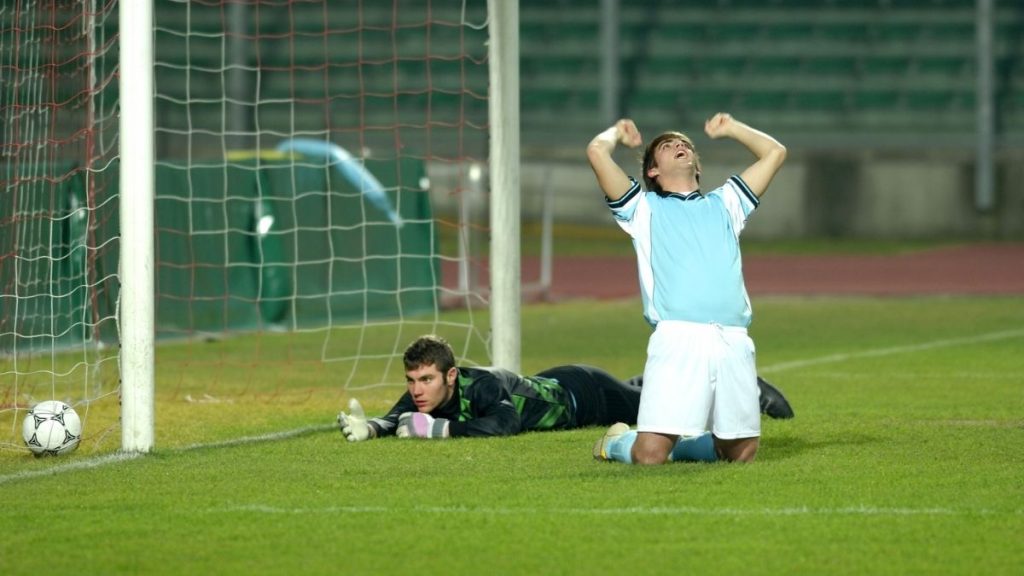
Brand Influence and Technology Driving Goalkeeper Excellence
Goalkeepers’ equipment choices have a profound effect on their performance. Leading brands — from global giants like Nike, Adidas, and Puma to specialized glove makers such as Reusch, Uhlsport, Sells, and HO Soccer — continuously innovate products that enhance grip, comfort, and resilience. The gear becomes part of the goalkeeper’s arsenal in the battle between offense and defense.
High-end gloves now feature materials that adapt to moisture and improve ball control in all weather conditions. Boots have grown lighter and more responsive, allowing quicker reaction times. Under Armour and New Balance also contribute cutting-edge technology in footwear, further aiding movement and jump power.
- Advanced glove tech reduces ball slippage and improves save probability.
- Lightweight boots with grip-enhancing soles boost lateral movement speed.
- Customization and fit prevent injuries and improve confidence.
- Innovation by HO Soccer and Kipsta often targets at youth development tiers to nurture talent.
- Top-level keepers partner with brands for exclusive gear and technical feedback.
| Brand | Product Focus | Innovations | Impact on Goalkeepers |
|---|---|---|---|
| Nike | Boots and Gloves | Adaptive materials, lightweight design | Enhanced agility and shot control |
| Reusch | Goalkeeper Gloves | Grip-enhancing latex, finger protection spines | Improved grip and injury prevention |
| Under Armour | Footwear | Breathable, responsive soles | Comfort and support for fast movements |
| HO Soccer | Gloves | Weather-resistant materials, ergonomic fit | Consistent performance in all conditions |
These advancements reflect how intertwined technology and passion are in modern football’s fabric, allowing keepers not only to survive but thrive under relentless attacking waves. The ongoing evolution fuels the excitement around goalkeeper performances seen this October and beyond.
Highlighting Standout Goalkeeper Performances October 20-26 with Tactical Impact
The last week’s fixtures brought to life the critical roles keepers play in shaping outcomes. Tournament favorites and league leaders leaned heavily on their last line of defense during crucial moments, and their metrics underscore this pivotal responsibility. Among them, keepers from Premier League titans to La Liga giants delivered electrifying saves that swung momentum and earned vital points.
Take the Manchester City and Arsenal clash replay—a match brimming with thrilling saves and tactical nuances prominently featured on football-streaming.net. The Manchester City goalkeeper, exploring innovative positioning aided by analytics, stymied Arsenal’s forwards during peak moments. Similarly, the PSG vs. Strasbourg thriller this October underscored how goalkeeping heroics carry a tactical weight that stats alone can’t capture fully (match recap).
Goalkeepers increasingly resemble chess masters, reading attacking plays and adjusting dynamically. Tactical acumen, enhanced by modern gear brands like Sells and Kipsta, integrates into their skillset. Keeping an eye on save percentage and PSxG data during the week reveals trends in form and confidence, helping fans anticipate future performances.
- Save percentage combined with PSxG reveals tactical mastery and shot-stopping skill.
- Key saves changed the tide in high-profile fixtures.
- Top keepers deploy modern gear to optimize movement and comfort.
- Advanced data helps clubs make transfer and tactical decisions.
- Tactical awareness and positioning stand out as crucial factors for success.
| Match | Goalkeeper | Key Saves | PSxG of Shots Saved | Result |
|---|---|---|---|---|
| Liverpool vs Manchester United | GK J (Premier League) | 7 | 4.9 | 2-2 Draw |
| Manchester City vs Arsenal | GK K (Premier League) | 6 | 3.8 | 1-0 Win |
| PSG vs Strasbourg | GK L (Ligue 1) | 5 | 3.2 | 3-1 Win |
Fans looking to relive these key moments and digest the analytics behind them can access detailed match replays and analysis on platforms providing streaming and in-depth football data reviews.