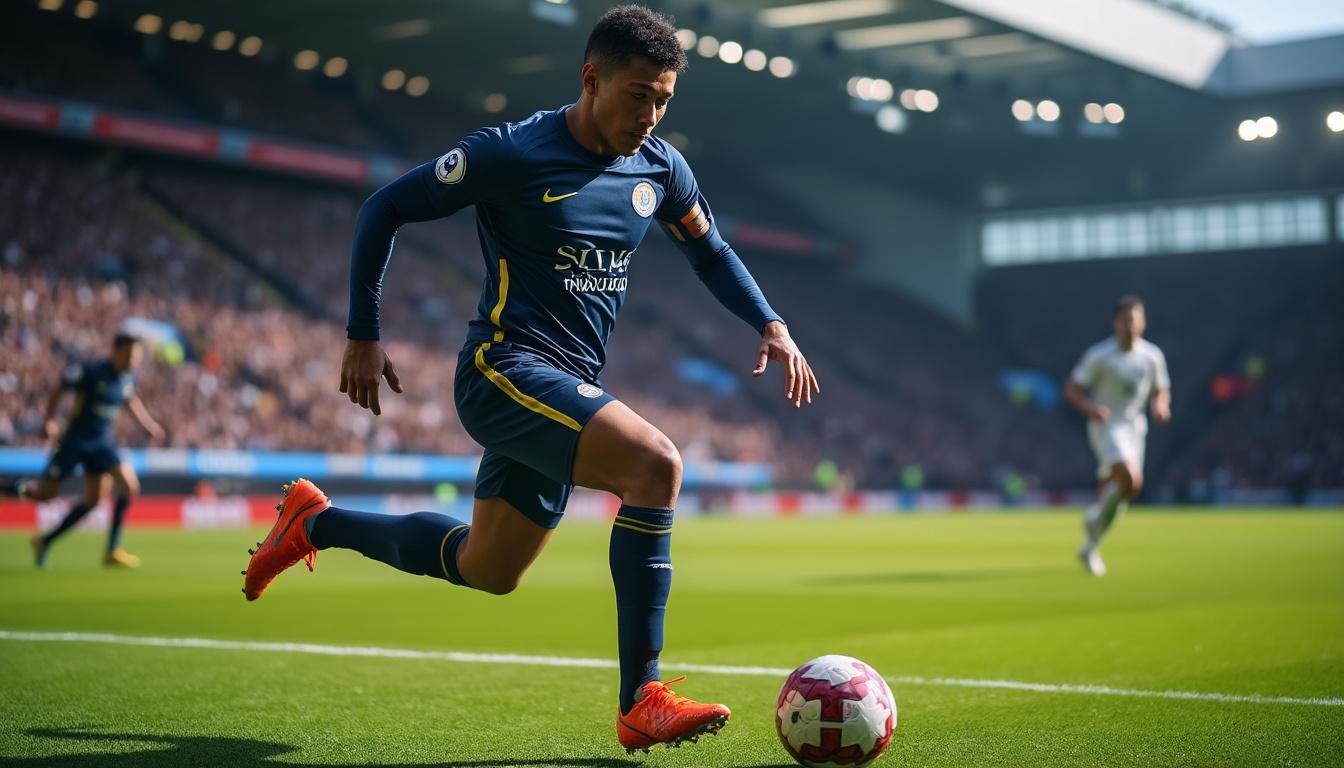
The approaching weeks in the Premier League calendar promise a spectacle of relentless competition and dramatic moments as teams navigate an intensely packed schedule leading into the festive season. From November 23rd through to early January, fans are set for a whirlwind journey of 90 matches crammed into just 45 days — a grueling stretch that will test the depth, resilience, and tactical ingenuity of every squad involved. This period is not just about football; it’s a battle of endurance and strategy, where fixture congestion often separates the real contenders from mere participants.
Supporters will find themselves spoiled for choice, with at least one Premier League game available on 25 of those 45 days, while multiple matchweeks feature games on three consecutive days — creating a viewing feast for enthusiasts and a logistical nightmare for clubs. The spectacle will be highlighted by the Boxing Day marathon where football fans can indulge in nearly 10 hours of nonstop action, kicking off with Manchester City against Everton and culminating in Liverpool taking on Leicester City. This distinctive period, packed with high-stakes clashes, sets the tone for what could be a season-defining phase, shaping league standings before the dark winter break.
- Unprecedented fixture congestion: 90 matches in 45 days, offering non-stop football action.
- Multiple back-to-back matchdays: Six out of nine matchweeks have three consecutive days of fixtures.
- Key rivalries on the horizon: Liverpool facing Manchester City, Merseyside and London derbies to impact title and relegation battles.
- First taste of new management styles: Ruben Amorim’s debut with Manchester United and Enzo Maresca’s return with Chelsea.
- Boxing Day showcase: Eight fixtures spread across four different kick-off times, presenting nearly ten hours of live football.
Premier League fixtures: navigating the relentless schedule in the crucial pre-holiday period
The Premier League’s upcoming fixture list is nothing short of a mammoth challenge for clubs. As the calendar turns towards the festive period, managers grapple with squad rotations, injury management, and tactical tweaks in a schedule that demands relentless focus. The sheer volume of matches—90 games packed into 45 days—means teams face an endurance test both physically and mentally.
This is more than a crunch for fitness; it is a critical juncture that often reshuffles the league table. The scarcity of matchday breaks—with no more than a single day off between games in most weeks—forces coaches to prioritize recovery and strategically deploy players. Teams with versatile squads capable of shifting formations and roles will find greater success during this stretch.
Staggered kick-off times add to the spectacle yet complicate preparation and fan consumption. For example, Boxing Day sees the unique spread of eight fixtures across four kick-off slots, offering fans almost a full day’s worth of football. This format not only maximizes engagement but also demands heightened stamina from players exposed to rapid turnovers between matches.
Clubs with European commitments feel the pinch even more acutely. The additional strain sometimes leads to surprising league outcomes, as seen when teams falter domestically while navigating Champions League and Europa League knockouts.
For supporters eagerly following the Premier League fixtures in November 2025, keeping track of pivotal matchdays and how the schedule shapes club strategies will be as important as the action on the pitch. This intricate dance between endurance, ambition, and adaptation seals the fate of title chasers and mid-table battlers alike during this crucial stretch ahead of the holiday break.

Head-to-head clashes and pivotal fixtures intensifying Premier League drama before Christmas
The next six weeks are stacked with some of the season’s most captivating fixtures, where every point carries amplified significance. These key battles — including marquee rivalries and tactical showdowns — will undoubtedly influence the title race, European qualification spots, and relegation battles.
The highly anticipated Liverpool v Manchester City duel stands out as a potential season-defining encounter. Both managers, Arne Slot and Pep Guardiola, boast sides brimming with attacking prowess and tactical flexibility. Their recent meetings have swung the title pendulum dramatically, demonstrating why these clashes become chapters etched forever in Premier League folklore.
London will be a hotbed of tension, with intense derbies such as Chelsea versus Fulham and Arsenal’s trip to Fulham boasting personal subplots. For instance, Emile Smith Rowe’s first return to Craven Cottage after joining the Cottagers adds a captivating narrative layer to the Arsenal-Fulham contest.
Manchester offers its own theatre of drama. The clash between Manchester City and Manchester United is more than a derby; it’s a managerial chess match with Ruben Amorim debuting as United’s boss against Guardiola’s experienced side. Amorim’s recent Champions League tactical triumph over Guardiola’s team ensures the encounter will brim with tactical complexities and psychological warfare.
Everton versus Liverpool, the classic Merseyside derby, promises no less fervor. Slot’s Liverpool will seek redemption and to avoid repeating past setbacks, ramping up the emotional stakes for players and fans alike. Meanwhile, matches like Leicester City v Chelsea offer narratives of past heroes returning and teams striving to reclaim form in a tightly contested league.
Fans can dive deeper into these fixtures by consulting the comprehensive streaming calendar for Premier League matches, ensuring they never miss a moment of this intense phase.
Managing squad depth and tactical innovation amid a congested Premier League fixture list
For managers, the crucial stretch before the holidays is a test of squad depth and adaptability. Beyond physical fitness, tactical intelligence plays a pivotal role in navigating the fixture congestion. Smart rotation policies can preserve key players without sacrificing points, especially in matches that carry significant weight in the league table.
Clubs with larger squads and capable youth prospects find themselves at an advantage, able to freshen up the team while maintaining performance levels. Injuries in this period can derail entire campaigns, forcing coaches to innovate formations or switch roles within the squad to plug gaps.
Examples are plentiful: some teams increasingly deploy a fluid front three to compensate for midfield absences, while others adjust defensive lines to counterbalance tired legs. Pep Guardiola’s Manchester City exemplifies tactical nuance, blending high pressing with calculated game management to optimize player energy throughout this tough period.
Less resourceful clubs must carefully balance ambition with pragmatism. Prioritizing certain matches over others — such as those against direct rivals — becomes essential. These decisions resonate across all levels, from training load management to contract negotiations for mid-season reinforcements.
Crucially, this stretch also offers a testing ground for emerging coaches and their innovations. Enzo Maresca’s early fixtures with Chelsea, including his return match against Leicester City where he claimed promotion glory as manager, showcase how managers are under immediate pressure to imprint their style while delivering results.
Statistical insights and key trends shaping the Premier League title race and relegation battles
Statistics from prior seasons reveal that the congested festive period often sets the tone for the ultimate league outcomes. Teams gaining momentum during this phase tend to maintain form deep into spring, while those struggling often face a daunting fight for survival. This makes every minute on the pitch during the crucial stretch vitally important.
Key trends indicate that teams that master recovery protocols and sports science innovations outperform rivals in this period. Furthermore, goal-scoring efficiency and defensive solidity appear as critical differentiators. Clubs capable of netting early goals in these tightly packed matches tend to control game tempo and reduce fatigue-induced errors.
Take Manchester City’s near-invincible campaigns, marked by a blistering goal-scoring rate during December and a robust defensive record that frustrates opponents pressed to catch up. Meanwhile, mid-table teams such as Brentford and Brighton have demonstrated resilience by optimizing their tactical approaches, often playing compact to eke out vital points.
| Team | Matches Played | Points Gained | Goals Scored | Goals Conceded |
|---|---|---|---|---|
| Manchester City | 9 | 22 | 25 | 6 |
| Liverpool | 9 | 19 | 20 | 8 |
| Arsenal | 9 | 18 | 17 | 10 |
| Brighton | 9 | 12 | 10 | 11 |
| Brentford | 9 | 11 | 9 | 14 |
These figures highlight how competitive and finely balanced the league is in this stretch. The Premier League head-to-head clashes can swing momentum dramatically, making every fixture date a must-watch event for fans and pundits alike.
Holiday period festivities: how English football’s packed schedule contrasts with other European leagues
The Premier League’s uniquely dense holiday fixture schedule not only thrills supporters but also accentuates the distinct football culture in England compared to continental Europe. Unlike La Liga or Serie A, which tend to scale back during winter months, the Premier League embraces the festive season with a frenetic calendar that has become a cherished tradition among fans.
The intensity of this run — highlighted by iconic matchdays like Boxing Day — embodies the passion, resilience, and community spirit of English football. From the deafening chants echoing around stadiums to the floodlit clashes in biting cold, these fixtures have carved a legendary status that other leagues envy but seldom replicate.
Moreover, this period heavily influences sponsorship, broadcast revenues, and fan engagement metrics, amplifying football’s importance as a cultural cornerstone during the holidays. The packed schedules demand peak performances from clubs but reward them with moments of unbridled euphoria and collective memory.
While the strain on players is undeniable, the festive fixture frenzy creates a shared experience that unites fan bases across rivalries and regional divides—making football at Christmas a spectacle wrapped in both suspense and celebration. Supporting your team through this arduous marathon is a badge of loyalty and passion few other sporting experiences can rival.
For those eager to catch every thrilling moment, detailed information about these matches is readily available on websites like the Premier League weekend fixtures guide, offering fans a comprehensive roadmap through this pivotal chapter of the season.
These highlights capture the energy and unpredictability of the league, fueling fan excitement as clubs push through the gruelling holiday campaign.
Why is the busy holiday fixture schedule so important?
The congested holiday period often determines momentum going into the second half of the season, influencing title races and relegation battles due to teams’ ability to manage fatigue and squad rotation.
How do managers cope with fixture congestion?
Coaches employ rotation strategies, utilize squad depth, and innovate tactically to keep players fresh while maintaining competitive performance throughout the packed schedule.
What are the key clashes to watch during the pre-holiday stretch?
Matches like Liverpool v Man City, Manchester derbies, Merseyside and London derbies, and encounters featuring new managers such as Ruben Amorim’s debut with Manchester United are pivotal games.
How does the Premier League’s holiday schedule differ from other European leagues?
Unlike many European leagues that reduce fixtures during winter, the Premier League embraces a dense, festive fixture list, creating a unique football culture that thrills fans and enhances community spirit.