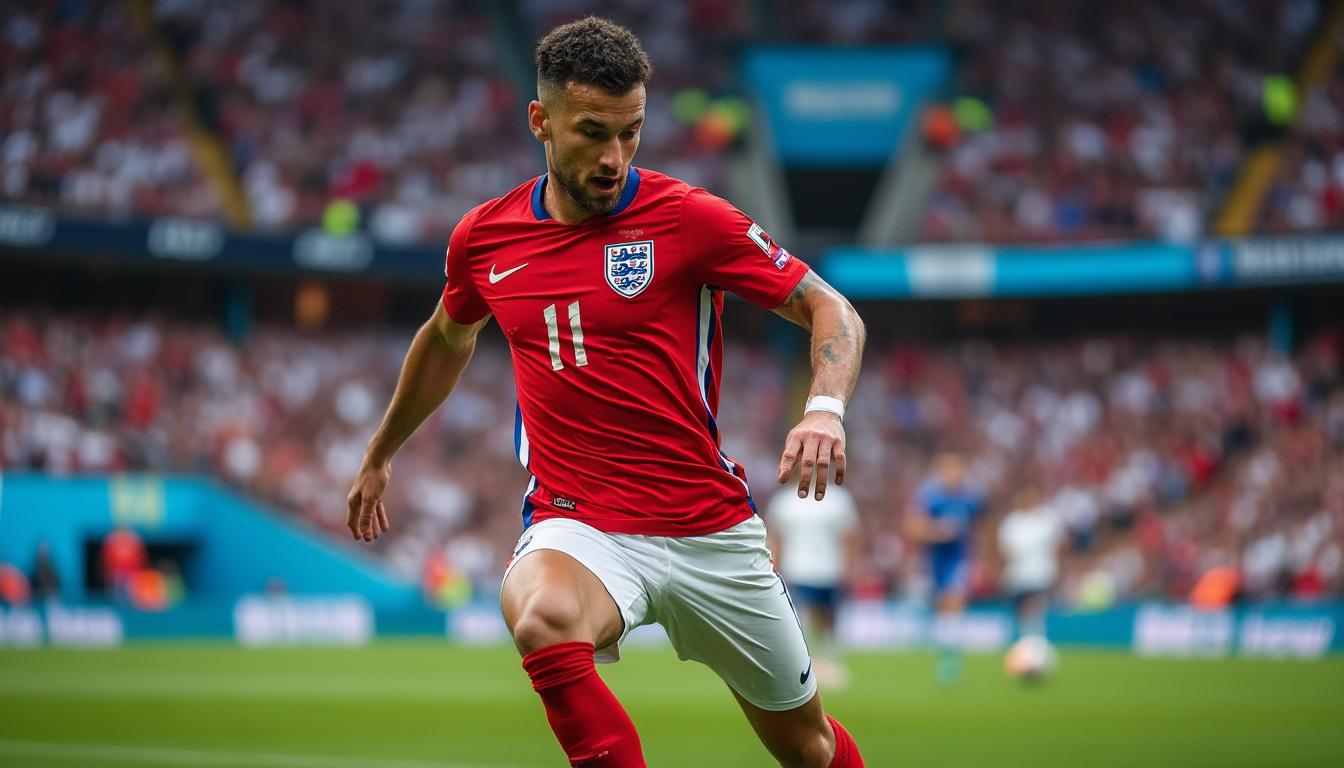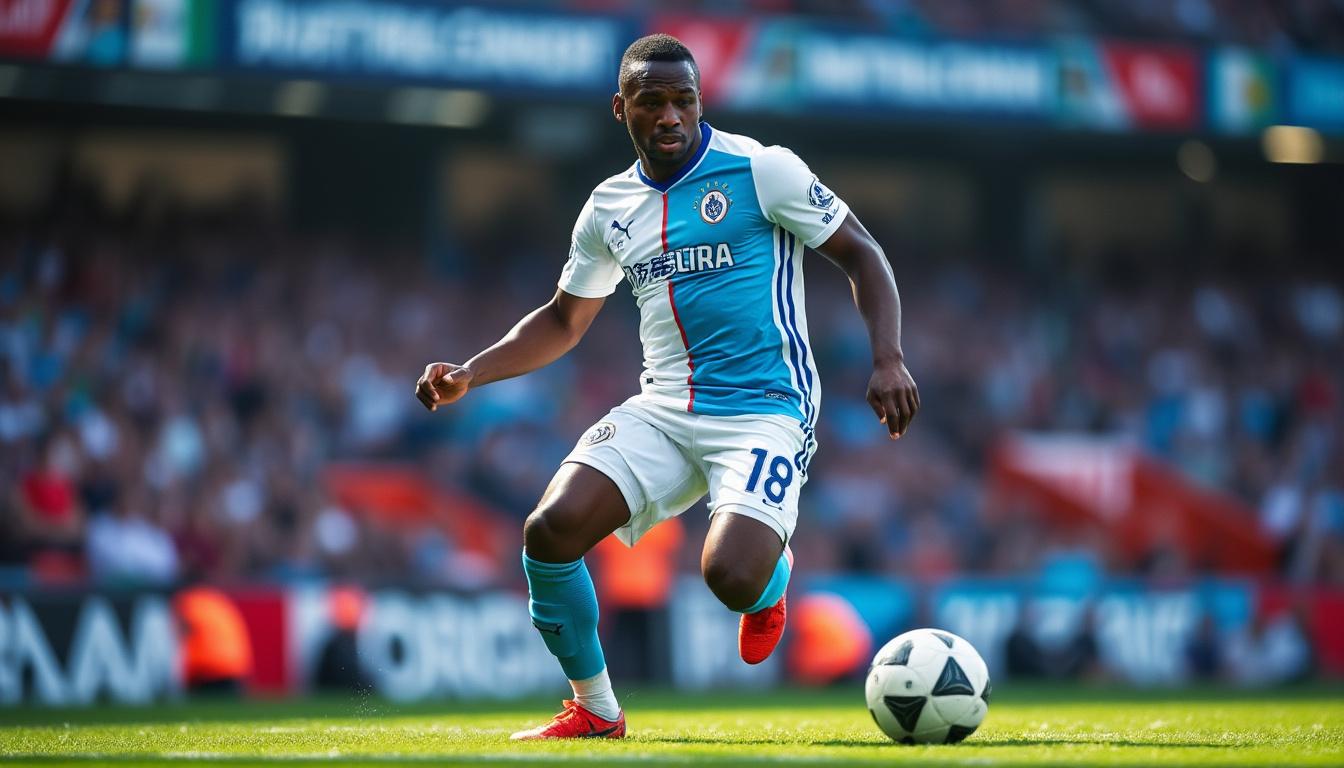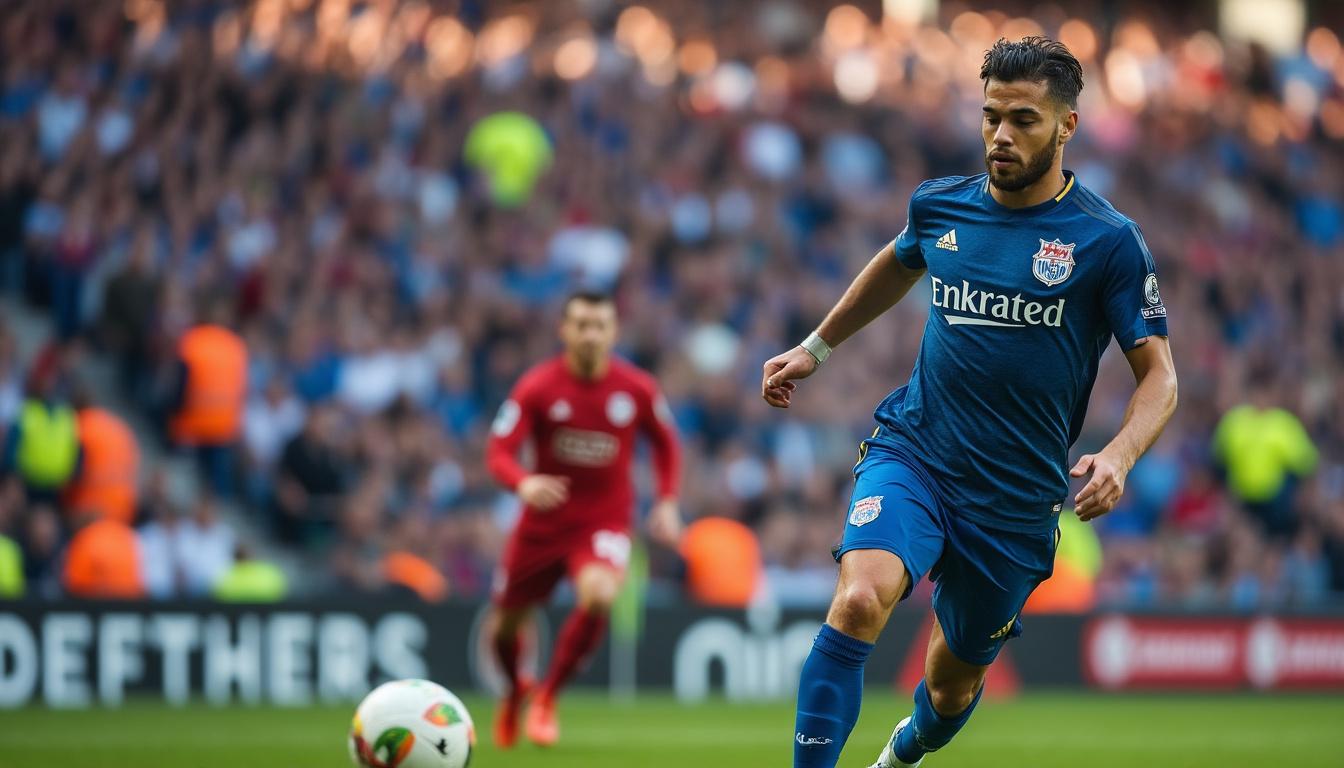
The Champions League in 2025 is a cauldron simmering with tension as Europe’s elite football clubs brace for a series of make or break encounters. With form tightening across the competition, every pass, tackle, and shot carries the weight of dreams and heartbreak. This season is forging into a tight-knit battle where anticipation soars, not just for the anticipated giants but rising challengers daring to etch their name in footballing history. Preparation is paramount. From tactical tweaks to mental resilience, teams must navigate the relentless pressure and unpredictable twists that define this prestigious tournament.
Underneath the glitter of grand stadium lights lies an unforgiving environment where injury setbacks, squad rotations, and momentary lapses can alter trajectories overnight. Fans around the world are locked in, feeling the pulse of a competition that promises drama with every kickoff. As clubs sharpen their strategies, the question lingers: who will rise and who will falter when the stakes are highest in these decisive matches? The Champions League has never been just a fight for a trophy but a manifestation of passion, pride, and the unyielding quest for glory.
In brief, the season is marked by:
- Tightening form among top contenders, intensifying every battle on the pitch
- Prepare for make or break moments where a single result can redefine the course
- Emergence of both storied powerhouses and ambitious challengers set to test limits
- Comprehensive tactical and psychological preparation defining success in this unforgiving landscape
- Fans and pundits alike caught in the raw emotion and suspense of UEFA’s premier competition
Analyzing Elite Champions League Contenders: Paths to Glory Amidst Intensifying Rivalries
At the forefront of this Champions League drama, a handful of European football powerhouses stand tall, ready to battle through grueling test matches. The frontrunners, Manchester City, Real Madrid, and Bayern Munich, remain potent threats, though their journeys are far from assured. Manchester City, under Pep Guardiola, continues to showcase a blend of innovative tactics and footballing finesse, maintaining relentless pressure on rivals. However, questions swirl around squad rejuvenation, especially as veterans like Kevin De Bruyne age. The necessity to inject fresh talent into the midfield and defensive lines becomes an urgent task for the club to sustain their ambition.
Real Madrid’s legacy as the most successful Champions League club is matched by their ability to deliver under pressure. Their rich experience in high-stakes European ties gives them a psychological edge, yet concerns over squad renewal pose strategic dilemmas. Balancing the infusion of young energy with the seasoned elegance of veterans is crucial to extend their reign and fend off challengers eager to end their dominance.
Bayern Munich, renowned for its academy-fueled consistency, faces its own hurdles. Their domestic dominance masks tactical vulnerabilities revealed in recent knockout phases. The challenge lies in overcoming these glaring weaknesses while leveraging their aggressive pressing and clinical finishing to reclaim European glory.
The complexity of the competition is further enriched by the influx of thrilling underdogs and renewed challengers like PSG and Liverpool. Paris Saint-Germain’s squad bristles with star power but still craves cohesive unity to unleash their potential on Europe’s grand stage. Similarly, Liverpool’s high-tempo, attacking brand under Klopp demands depth and endurance to prevail across simultaneous fronts.
Detailed attention to match preparation, injury management, and the mental fortitude necessary for these make or break encounters shapes the narrative for these giants. The razor-thin margins demand nothing short of excellence in every facet, fueling the large pool of supporters following every heartbeat at December football clashes and beyond.

Rising Challengers in the Champions League: New Stories in a Tension-Filled Competition
Beyond the traditional football giants, 2025 announces the presence of a new wave of contenders ready to make their mark in Europe’s fiercest competition. Teams like PSG, Liverpool, and a resurgent Barcelona are molding their squads and tactics, embracing a win-at-all-costs mentality in the face of enormous pressure.
PSG’s lineup is a dazzling constellation of individual brilliance, but the challenge lies in forging collective harmony. The squad’s composition demands meticulous preparation to translate star power into cohesive, fearsome performances. Their journeys into make or break matches highlight the intricate balance between talent and tactical discipline necessary to seize Champions League glory.
Liverpool exemplifies relentless drive and tactical astuteness under Klopp’s leadership. They generate dynamism through high pressing and fluid attacking transitions. Yet, the demands of juggling domestic commitments and European fixtures test their squad depth and resilience. The quality of their preparation—ranging from physical conditioning to strategic match-readiness—will be under the microscope in tight encounters.
Meanwhile, Barcelona’s renaissance under Xavi signals a return to possession-based, incisive football, underscored by youth development. The club’s ability to blend established performers with emerging talents enhances their chances against Europe’s elite. Reinforcements especially in defensive stability remain a priority as they gear up to challenge the established Champions League contenders.
The tightening form in this set of contenders adds an unpredictable layer to the Champions League panorama. As the competition advances and stakes escalate, the psychological and physical stamina each team possesses becomes ever more pivotal. Fans tracking the competition eagerly consult resources like the match previews of the best clubs to gauge who might surge forward or crumble under pressure.
Key transformations shaping the rising contenders include:
- Focused squad rebuilding to address tactical gaps and fatigue management
- Emphasis on nurturing young talents who can influence high-stakes games
- Utilization of sports science and performance analytics to optimize player output
- Adaptation of flexible playing styles to counter diverse European opponents
- Strategic rotation plans to sustain competitiveness across multiple competitions
Crucial Make or Break Encounters: The High-Stakes Battles Deciding Champions League Fate
As the group stages give way to the knockout phases, the atmosphere shifts palpably. Every fixture becomes a decisive encounter capable of sending teams spiraling into elimination or on to glory. These make or break moments embody the raw emotional tension that makes the Champions League uniquely enthralling.
Preparation for these high-pressure clashes involves meticulous scouting and match-specific tactical approaches designed to exploit opponents’ weaknesses. For instance, Manchester City’s defensive mix must counteract clubs known for their lethal attacking combinations, while Bayern Munich seeks to leverage their pressing intensity to break down stubborn defenses.
Teams also grapple with managing the psychological weight of such games—where a single mistake or inspirational moment can alter destinies. Coaches employ sports psychologists and leadership figures to foster resilience and unity among squads. The collective belief and composure shown in these encounters often tip the balance, highlighting that Champions League success extends far beyond pure skill.
The following table illustrates recent outcomes from key Champions League encounters that showcased tight form and pivotal moments:
| Fixture | Result | Decisive Factor | Date |
|---|---|---|---|
| Manchester City vs. Newcastle | 2-1 | Crucial late goal and tactical superior work | October 2025 |
| Real Madrid vs. PSG | 3-2 | Experience under pressure and squad depth | November 2025 |
| Bayern Munich vs. Liverpool | 1-1 | Strong defensive organization and pressing | November 2025 |
Fans engaging with the Champions League schedule at UEFA’s fixture calendar witness a rollercoaster of anticipation, as performance analytics unravel hidden narratives behind each result.
Mastering Preparation and Form: The Tactical and Psychological Edge in Tight Competitions
Winning the Champions League demands not only talent but supreme preparation and unwavering convictions. Clubs invest heavily in understanding their form trajectories, recognizing that even subtle slumps can swiftly turn victories into heartbreaks in such a compressed competition environment.
Tactical flexibility is paramount. Modern Champions League contenders must seamlessly transition between defensive solidity and attacking flair, adapting to diverse playing styles and weathering the strain of intense schedules packed with crucial fixtures. Technological advancements in performance analytics aid coaches in making smarter decisions regarding squad rotation and match tactics.
Behind the scenes, the focus on psychological conditioning is equally critical. Players bristle with tension under the spotlight, but those who harness mental strength often become game changers. Leadership within squads, on and off the pitch, bolsters confidence and togetherness, hallmarks of teams that withstand the fierce challenges of the Champions League knockout stages and beyond.
The Masters of Preparation at United and City have shown how detailed planning and recovery protocols impact form consistency over long seasons. Observing such fine margins reveals why clubs appear to execute their game plans with surgical precision in key performance analytics reports, elevating the contest to a new realm of drama.
Essential preparation aspects fueling tight Champions League competitions:
- Personalized training regimes adapting to match intensity and injury prevention
- Detailed opponent analysis leveraging data and video scouting
- Psychological support focusing on stress management and focus enhancement
- Effective communication ensuring tactical clarity and rapid in-game adjustments
- Strategic squad rotation to maintain energy levels across tournaments
The complexity of form tightening and strategic preparation ensures that every Champions League encounter from this point forward is embedded with high stakes and electric energy. Fans and commentators, tracking the nuanced details, find themselves swept up in the frenzy of football’s greatest stage, eagerly watching as destiny unfolds.
Emerging Talents and X-Factors: The Unpredictable Elements Shaping Champions League Outcomes
The Champions League often throws up surprises beyond the established narratives. Emerging young stars such as Erling Haaland, Pedri, and Jamal Musiala inject an exciting unpredictability. These talented individuals can swing matches by their moments of brilliance and composure under immense pressure, leaving defenders and goalkeepers scrambling for answers.
Transfers and timely squad reinforcements similarly play pivotal roles. Clubs unafraid to rejuvenate or innovate thrive in this intense environment. The pressure cooker of a tightly contested Champions League season exposes weaknesses and amplifies strengths, spotlighting those whose form peaks at just the right moment.
Additionally, external factors—such as injuries to key players or managerial changes—can destabilize or galvanize squads unexpectedly. History teaches that resilience and adaptability often trump sheer talent when the competition reaches its apex. Underdogs remain capable of rewriting the script, adding a rich layer of suspense and emotion.
Football aficionados following the storyline of these Champions League showdowns relish this unpredictable allure, as every game feels like a cliffhanger, packed with raw drama and deep passion that resonates with the spirit of the beautiful game.
Which teams are considered the top contenders in the 2025 Champions League?
Manchester City, Real Madrid, and Bayern Munich are viewed as the primary favorites, backed by experience, talent, and tactical prowess.
What makes a Champions League encounter a ‘make or break’ game?
Make or break games carry high stakes where the outcome can decide advancement or elimination, intensifying pressure and requiring peak performance.
How important is preparation for success in the Champions League?
Preparation encompasses tactical, physical, and psychological readiness, and is critical for handling the intense competition and tight form throughout the tournament.
What role do emerging talents play in the Champions League?
Young stars often inject unpredictability and can be decisive in tight matches, bringing fresh energy and innovation that challenge established hierarchies.
Can underdogs succeed in a tightly contested Champions League?
Yes, the competition’s history is rich with surprise triumphs where resilience, tactical intelligence, and determination see underdogs advance against all odds.