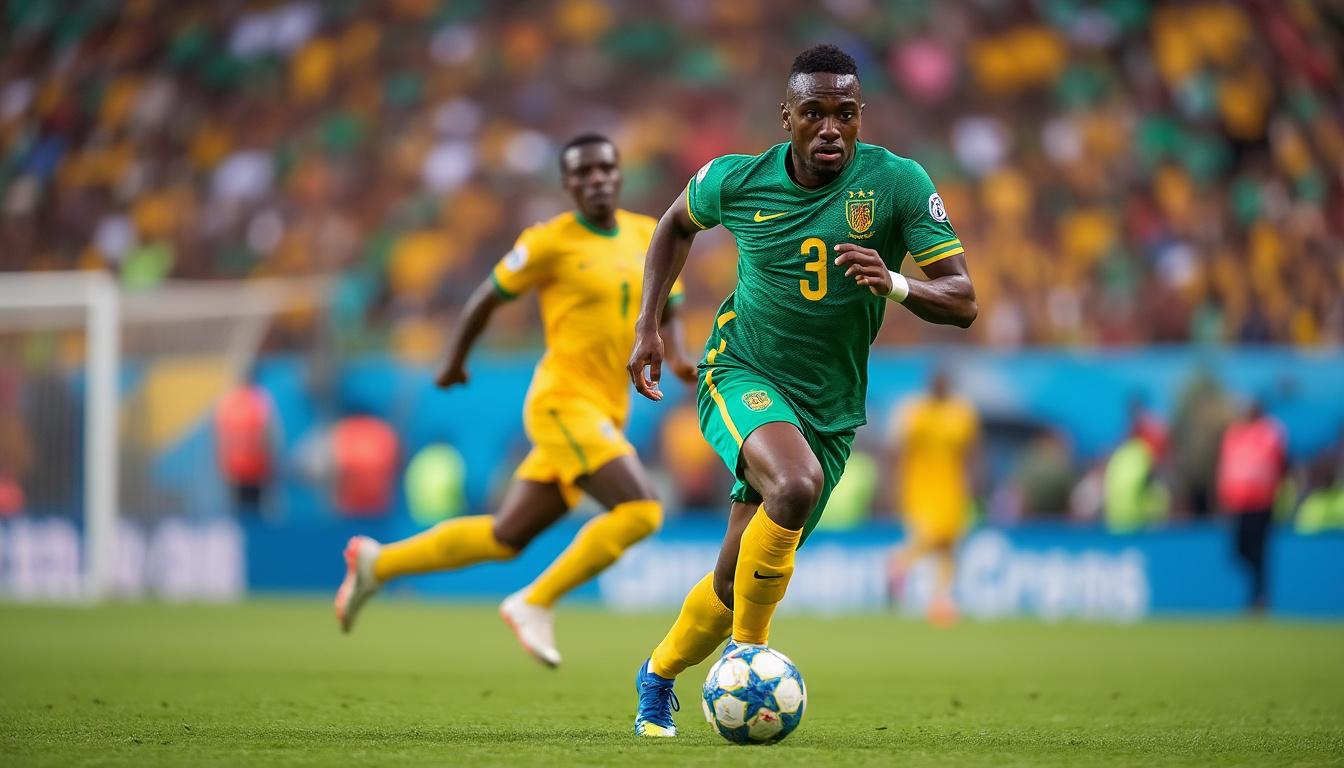
The Europa League semi-finals are setting the stage for what could be a monumental clash, potentially featuring an all-English showdown. Sevilla FC, the Spanish giants synonymous with this competition, stand on the brink of another historic feat as they prepare to face some of the Premier League’s finest: Manchester United, Arsenal, Liverpool, or Chelsea. With the rich backdrop of La Liga and English football traditions intertwining, fans worldwide are buzzing with anticipation. Sevilla’s remarkable legacy in the UEFA Europa League, contrasted with the relentless ambition of English clubs scouring European trophies, creates a potent narrative filled with tension, skill, and passion. As the stakes soar, this semi-final is not just a battle between clubs but a contest of football philosophies, recruitment strategies, and the very essence of European competition.
Sevilla’s name resonates deeply within the Europa League circles, having clinched the trophy multiple times since its inception as the UEFA Cup. The club has dutifully blended shrewd signings, tactical ingenuity, and unyielding spirit to craft their dominance on European nights. Across England, teams like Manchester United and Liverpool harbor ambitions to place the Premier League back on the continental throne. Their campaigns reflect tactical evolution, vibrant fanbases, and history-laden identities that fuel these encounters. The question persists: can Sevilla’s unique recipe and enduring hunger overcome the Premier League powerhouse’s attack? Delve into the complex layers of this potential all-English Europa League semi-final clash, where Spanish resilience meets English grit on the grand footballing stage.
Sommaire
ToggleWhy Sevilla FC Remains a Formidable Force in the UEFA Europa League
The name Sevilla FC has become virtually synonymous with the UEFA Europa League, the club’s script filled with moments of magic and trophies that crown them European royalty. Since first lifting the trophy in 2006, Sevilla’s achievements in this competition are unmatched, with five titles to their name, including three straight wins during 2014-2016 that left a permanent mark on the tournament’s history. What makes Sevilla extraordinary is not just their record but the club’s distinctive approach to this competition, which combines strategic recruitment, tactical excellence, and an unwavering commitment to their European campaigns.
Behind Sevilla’s continued success is a footballing philosophy finely crafted by coach Julen Lopetegui and sporting director Monchi. Lopetegui, rehabilitating his coaching career after turbulent spells in Spanish football, has built squads that can control games through possession dominance and rapid counter-pressing—pressing high, recovering the ball quickly, and launching attacks with precision. Monchi’s recruitment acumen has brought in promising stars at bargain prices, developing them into top-tier talents while maintaining the club’s financial health. Players like Diego Carlos, Jules Kounde, Lucas Ocampos, and Youssef En-Nesyri have emerged as key pillars, blending youthful energy with tactical discipline. This synergy allows Sevilla to challenge the giants from Premier League clubs, who often boast bigger budgets but struggle to match Sevilla’s Europa League pedigree and tactical coherence.
Sevilla’s tactical setup has often reflected the demands of the competition: high-intensity games where teams need to balance robust defense with attacking creativity. Lopetegui’s approach thrives on ball retention, fluid midfield rotations, and wing play that stretches defenses—qualities that have helped Sevilla outclass teams like Wolverhampton Wanderers and Roma in recent campaigns. Moreover, the presence of experienced figures such as Ever Banega (until his move in 2025) brings invaluable creativity and stability, while newer signings continually inject dynamism and adaptability. This strategic blend explains Sevilla’s persistent deep runs in the Europa League and their role as continual spoilers for English heavyweights trying to secure European glory.
- Five UEFA Europa League titles since 2006 showcasing unparalleled success
- Julen Lopetegui’s tactical mastery emphasizing ball retention and high pressing
- Monchi’s recruitment strategy turning low-cost players into stars
- Strong spine with emerging talents like Kounde and En-Nesyri
- European experience and mental resilience unmatched by many rivals
| Season | Europa League Outcome | Sevilla’s Top Scorer | Key Defensive Player |
|---|---|---|---|
| 2013-14 | Winner | Kevin Gameiro | Daniel Carriço |
| 2014-15 | Winner | Ciro Immobile | Guilherme Siqueira |
| 2015-16 | Winner | Kevin Gameiro | Adil Rami |
| 2019-20 | Runner-up | Lucas Ocampos | Diego Carlos |
| 2023-24 | Semi-Finalist | Youssef En-Nesyri | Jules Kounde |
Sevilla’s European Identity: The Heartbeat of Andalusia
Sevilla’s success in the Europa League echoes a deeper cultural identity. Football in Andalusia is not just a sport; it’s an emotional narrative that binds the city and its passionate supporters. The chants reverberate at the Ramon Sanchez Pizjuan like prayers, fueling the players with unmatched energy. This connection between club and community fuels Sevilla’s resilience during tough knock-out ties where every ball counts.
Their history in the competition is peppered with dramatic last-minute goals, tactical masterstrokes, and moments of pure grit. Fans around the globe remember Sevilla’s stunning comeback against Manchester United in 2018. While many players from that era have moved on, the club ethos—built on smart scouting, tough defending, and clinical finishing—remains firmly part of their DNA. This intangible spirit makes Sevilla a daunting opponent in any European tie, especially one that might lead to an all-English showdown with Premier League heavyweights.
Manchester United and Premier League Giants: Battling for Europa League Glory
The Premier League’s appetite for European glory has never been fiercer as Manchester United, Liverpool, Arsenal, Chelsea, and Tottenham Hotspur vie for honors that could define their seasons. The Europa League stands as a prestigious stage offering both European qualification and continental acclaim. Manchester United, in particular, have a revered history in Europe but are desperate to recapture their dominance after recent turbulent campaigns. Their encounter with Sevilla in this context is loaded with narrative tension.
United’s squad in 2025 is a blend of established stars and emerging talents; figures like Marcus Rashford and Bruno Fernandes provide attacking flair while younger players evolve under the stewardship of a tactically flexible coach. The club learned hard lessons from their 2018 defeat at the hands of Sevilla, but the current team is markedly different. This evolution from past experiences underscores their renewed focus and tactical preparation against Spanish opposition steeped in Europa League tradition.
- Manchester United’s quest to reclaim European supremacy fuels every Europa League encounter
- Premier League’s competitive nature sharpens teams for high-stakes continental matches
- Squad depth and youth integration critical for long Europa League campaigns
- Historical rivalries with Sevilla heighten matchday drama and fan engagement
- Transfer market dynamics reflect ambition with signings to counter Sevilla tactics
The Premier League’s reputation as the world’s most-watched and competitive league drives English clubs to excel in European tournaments. Arsenal’s attacking verve, Liverpool’s relentless pressing, Chelsea’s tactical versatility, and Tottenham’s counter-attacking prowess contribute to a fierce contest for the Europa League title. Each club embodies distinct football philosophies that clash brilliantly on European nights. The potential for an all-English semi-final clash would symbolize the Premier League’s continental strength and provide fans with a high-octane spectacle celebrated beyond national borders.
| Premier League Club | Europa League Record Since 2015 | Key Player | Coach Tactical Style |
|---|---|---|---|
| Manchester United | Semi-finals 2024; Last 16 2023 | Bruno Fernandes | Flexible attacking, midfield dominance |
| Liverpool | Quarter-finals 2022; Runners-up 2016 | Mohamed Salah | High pressing, fast transitions |
| Arsenal | Semi-finals 2023; Round of 32 2024 | Gabriel Martinelli | Positional play, possession-focused |
| Chelsea | Winners 2013, Runner-up 2019 | Mason Mount | Dynamic offense and midfield creativity |
| Tottenham Hotspur | Round of 16 2023; Round of 32 2024 | Harry Kane | Counter-attacking, solid defense |
The Tactical Battle: English Flair versus Spanish Elegance
The clash between English and Spanish football styles provides an enthralling chess match on the pitch. English clubs tend toward vigorous pressing, physical robustness, and blistering pace on the wings, as seen in players like Arsenal’s Gabriel Martinelli and Spurs’ Harry Kane’s movement. Meanwhile, Sevilla’s La Liga experience involves intricate combinations, patient build-up, and intelligent positional play. Coaches from both leagues prepare intricate match plans to exploit these contrasts, creating tactical duels within the larger contest.
Teams like Manchester United under Ole Gunnar Solskjær, and perhaps his successors in 2025, aim to blend possession play with sudden bursts of counter-attack — a hybrid approach designed to unsettle equipoised La Liga sides. Sevilla’s high pressing and rapid transitions force English teams to remain disciplined and clinical. This nuanced exchange elevates Europa League matches beyond mere competitions, turning them into displays of strategic mastery where split-second decisions change destinies.
The Crucial Role of Recruitment and Squad Building in European Success
Sevilla FC’s blueprint for sustained Europa League excellence fundamentally rests on shrewd recruitment, a model that many Premier League clubs have attempted to replicate with varied success. Sporting Director Monchi revolutionized recruitment tactics, transforming Sevilla into a team where every signing fits a tactical mold and financial budget. This method balances the need for immediate quality with nurturing future stars, creating a cycle that propels Sevilla to consistent competitiveness.
The club’s scouting network identifies undervalued talents like Lucas Ocampos and Jules Kounde, who are then honed into elite players. This business model contrasts with Premier League teams that often splash massive sums on marquee names without ensuring tactical fit or longevity. The results show on the pitch: Sevilla’s cohesive units versus sometimes disjointed Premier League investments. Furthermore, the constant evolution of Sevilla’s squad keeps opponents guessing, as new signings adapt quickly to Lopetegui’s philosophy, ensuring the team’s style remains aggressive yet calculated.
- Extensive scouting network to unearth hidden gems
- Financial prudence ensuring sustainability and stability
- Tactical compatibility prioritized over sheer star power
- Development of youth and loan strategies to maintain depth
- Continual evolution of squad to stay ahead of European competition
Premier League clubs often wrestle with balancing immediate impact signings and developing talent for the future. Clubs like Arsenal and Liverpool invest heavily in academy prospects alongside experienced players. Chelsea & Tottenham Hotspur focus on tactical versatility in signings to handle varying European challenges. As 2025 unfolds, these trends become crucial for success in the Europa League’s knockout rounds.
| Club | Key Recruitment Strategy | Recent Signings That Impacted Europa League | Key Academy Prospects |
|---|---|---|---|
| Sevilla FC | Value-based scouting, youth development | Lucas Ocampos, Jules Kounde | Juan Miranda |
| Manchester United | Blend of marquee and youth | Cristiano Ronaldo (return), Jadon Sancho | Shola Shoretire |
| Arsenal | Positional play recruits | Fabio Vieira, Gabriel Jesus | Eddie Nketiah |
| Liverpool | High pressing fit players | Darwin Núñez, Fabio Carvalho | Billy Koumetio |
| Chelsea | Versatility and stamina | Enzo Fernández, Christopher Nkunku | Marc Guehi |
The Emotional and Competitive Stakes of an All-English Europa League Semi-Final
The upcoming match featuring Sevilla has sparked considerable speculation among football fans: will Sevilla prevent an all-English semi-final? As the only non-English team left competing at this crucial stage, Sevilla holds the key to breaking the Premier League’s dominance in this European tournament. Their strong defensive tactics and recent form suggest that they could pose a significant challenge. For a detailed analysis of Sevilla’s chances and what’s at stake, check out the source article here.
An all-English semi-final in the UEFA Europa League would be more than just a game; it would become a pulsating showcase of the Premier League’s power and prestige on the European stage. Matches between English clubs are steeped in rivalry, history, and massive fan interest. For Sevilla, standing as the last La Liga representative, the looming possibility of facing an all-English clash adds layers of motivation and pressure. The Andalusians carry the hopes of Spain in European competition, underscoring the continental pride at stake.
The emotional intensity of such ties is palpable. Manchester United, Arsenal, Liverpool, Chelsea, and Tottenham Hotspur embody diverse chapters of English football history, bringing unique narratives that fuel each encounter. High stakes foster moments of raw passion, tactical gambits, and breathtaking sportsmanship. Fans witness not just the physical contest but the unfolding dramas behind every tackle, through every pass.
- Premier League pride at stake in a potential all-English semi-final
- Sevilla’s role as La Liga’s last hope amplifies their fighting spirit
- Unparalleled fan intensity both in stadiums and across global viewership
- Heightened media attention and tactical innovations unveiled
- Legacy implications for clubs and individual players in European football
The match narrative is set to become a part of football folklore, with unforgettable images of stadium chants, intense duels, and last-gasp goals playing out live to tens of millions. Whether Sevilla can stop an all-English semi-final clash or if English clubs will dominate reflects broader stories about tactical evolution, cultural identity, and the feverish passion that makes football the ultimate sport.
| Possible Semi-Final Matchup | Key Match Factors | Fan Expectations | Historical Context |
|---|---|---|---|
| Sevilla FC vs Manchester United | Defensive resilience vs attacking creativity | High passion, vibrant stadium atmosphere | 2018 iconic victory for Sevilla |
| Manchester United vs Liverpool | Traditional rivalry, high stakes | Massive global audience | Longstanding English football history |
| Sevilla FC vs Arsenal or Chelsea | Technical finesse vs tactical discipline | Excitement over tactical clash | Important for club reputations |
What makes Sevilla FC so successful in the Europa League?
Sevilla’s success comes from excellent recruitment, tactical strength under Julen Lopetegui, and a deep connection with the competition, highlighted by their record five titles and strategic approach to each match.
Which Premier League teams are likely to reach the Europa League semi-finals?
Manchester United, Arsenal, Liverpool, Chelsea, and Tottenham Hotspur are top contenders given their strong squads, tactical depth, and historical success in European competitions.
What tactical challenges do English clubs face when playing Sevilla?
English teams must adapt to Sevilla’s high pressing, ball retention, and quick transitions, while maintaining discipline to counter Sevilla’s tactical patience and creativity.
How important is recruitment in European success?
Recruitment is crucial because clubs like Sevilla build competitive squads by finding and developing talented players who fit specific tactical models, optimizing both performance and finances.
Could there be an all-English Europa League semi-final clash?
Yes, given the strength of Premier League clubs still competing, an all-English semi-final is possible. Sevilla aims to stop this and maintain Spain’s presence deep in the tournament.